

Dehydration Treatment in Watauga, TX
A bag of fluid is the easy part. What matters is why your body emptied, and whether your kidneys, sodium, and blood pressure are still where they should be. Our dehydration treatment in Watauga pairs IV rehydration with onsite lab work, so the cause gets found rather than covered up.
No appointment. No long wait. If you cannot keep fluids down, feel faint, or have stopped urinating, walk in or call now.
Call Now: (817) 945-5500
Hours: 24/7/365
Walk-In: 5401 Basswood Blvd, Fort Worth, TX 76137, United States
Signs of Dehydration in Adults

Thirst arrives late. By the time you feel it, fluid loss has already begun, which is why the milder signs of dehydration in adults are easy to dismiss as an ordinary bad day.
Early warnings that fluid is running low:
- Dry mouth or thick, sticky saliva
- Fatigue and weakness with no clear cause
- Headache, dark urine, or urinating less than usual
- Muscle cramps
- Lightheadedness when standing
Mild losses respond to water and an electrolyte drink. The following do not, and they mark the line where a severe dehydration emergency room becomes the right destination.
Come in immediately for:
- Vomiting or diarrhea that prevents you from keeping any fluids down
- Confusion, irritability, or unusual drowsiness
- Fainting, or a racing heart
- No urine output for eight hours or more
- Skin that stays tented when pinched, or sunken eyes
- Seizure
- Fever above 104°F alongside fluid loss
Confusion is the sign people miss most often, because it looks like exhaustion. It means the brain is affected, and that is not something to sleep off.
Why Fluid Alone Isn't the Whole Treatment
Plenty of places will put a line in your arm and run a liter of saline. Walk-in clinics do it. So do storefront IV lounges. For mild dehydration after a hot afternoon, that is often enough, and honest guidance says to try drinking first anyway.
Severe dehydration is a different problem, because fluid loss never travels alone. Sodium, potassium, and magnesium leave with it. Kidneys, deprived of circulation, begin to struggle. Blood pressure falls. And behind all of it sits a cause: a stomach infection, a diabetic crisis, an untreated illness, sepsis.
A liter of fluid can make you feel better for an hour while any of those continue underneath. That is the risk of treating the symptom and calling it done.
Proper dehydration treatment means measuring what left your body and replacing precisely that, while testing kidney function and screening for the illness that started it. That requires a lab, not a drip stand. It is the clearest difference between an emergency room and an urgent care clinic, and it is why severe cases belong here.

Dehydration in Seniors

Older adults dehydrate faster and notice it later. The thirst signal weakens with age, total body water declines, kidneys hold onto fluid less efficiently, and common prescriptions such as diuretics accelerate the loss.
The result is that dehydration in seniors often presents as something else entirely. Sudden confusion. A fall. Weakness that families read as decline rather than illness. Blood pressure that drops on standing.
Watch for these in an older adult:
- New or worsening confusion
- A fall, or unsteadiness that wasn’t there yesterday
- Dizziness when rising from a chair
- Reduced urine output over a day
- Refusing food and drink during an illness
Because the classic symptoms blur with aging, dehydration in seniors is frequently discovered only after it has affected the kidneys. If an older family member seems suddenly not themselves during hot weather or a stomach bug, get them checked.
What Happens When You Arrive at ER of Watauga
Your dehydration ER visit begins with two questions running in parallel: how depleted are you, and what caused it. We answer both while treatment is already underway.
Within minutes of arrival:
Triage and Vitals
We check heart rate, blood pressure lying and standing, temperature, and mental status. A pressure that drops when you stand tells us a great deal.
IV Placement
Fluid replacement starts before results return, because circulation cannot wait on paperwork.
Bloodwork
Our onsite laboratory measures sodium, potassium, kidney function, blood sugar, and markers of infection. These numbers shape everything that follows.
Cause Investigation
Depending on your history, we test for infection, diabetic crisis, or the illness driving the fluid loss.
Physician Evaluation
A board-certified emergency physician reviews the full picture and explains what your labs actually show.
Most patients have answers within the hour, and many feel noticeably better before those answers arrive. If your condition needs hospital admission, we stabilize you first and coordinate the transfer directly. Nobody is sent across town for lab work while still unable to keep water down.
How We Rehydrate Safely
Rehydration treatment has a rhythm to it. Replace too slowly and the kidneys stay starved. Replace too quickly, particularly when sodium has fallen, and you trade one problem for a more dangerous one.
Fluids First
Matched to what you lost. IV fluids restore circulation within minutes, and the choice of solution depends on your electrolyte picture rather than a default.
Electrolytes Corrected at a Controlled Pace
Sodium that has dropped low must come back gradually. Raising it too fast can injure the brain, so we measure, adjust, and measure again.
Nausea Addressed
So the gut can work again. Anti-nausea medication often lets patients resume drinking, which is the goal.
The Cause Treated, Not Just the Deficit
An infection, a diabetic episode, or a bleeding source needs its own answer, or you rehydrate today and return tomorrow.
Throughout rehydration treatment we monitor continuously. How your body responds to fluid tells us as much as the numbers you arrived with.
What Causes Severe Dehydration
Fluid loss outpaces intake for a reason, and identifying it prevents a repeat visit.
The causes we see most often across Tarrant County:
- Vomiting and diarrhea, which drain fluid and electrolytes by the hour
- Texas heat, where outdoor work and exercise produce losses that water alone cannot keep pace with
- Fever and infection, which raise fluid demand while suppressing appetite
- Diabetic emergencies, where high blood sugar drives constant urination
- Diuretics and certain medications, common among older adults
- Kidney conditions, which impair the body’s ability to conserve water
Severe cases can progress to shock, where blood volume falls so low that organs begin losing oxygen. Blood pressure that drops with fluid loss is an early signal, and the warning signs of shock deserve immediate attention rather than a wait-and-see afternoon.
Why Choose ER of Watauga for Dehydration Care
We Find the Cause, Not Just the Deficit
Onsite labs measure electrolytes, kidney function, and infection markers, so the reason you dehydrated does not walk out with you.
Treatment Starts on Arrival
Fluids run while testing proceeds, because circulation is time-sensitive.
Minimal Wait Times
Most patients reach an exam room within minutes. In our no wait ER, nobody sits in a lobby unable to keep water down.
Board-Certified Emergency Physicians
Our doctors recognize when dehydration is the whole story and when it is the surface of something serious.
Coordinated Follow-Up
If admission is needed, we arrange it directly and send you out with a plan.
Care That Fits Your Budget
We accept most major insurance plans and offer flexible payment plans through Sunbit, so cost never delays a severe dehydration emergency room visit.
Dehydration Treatment Near You in Watauga
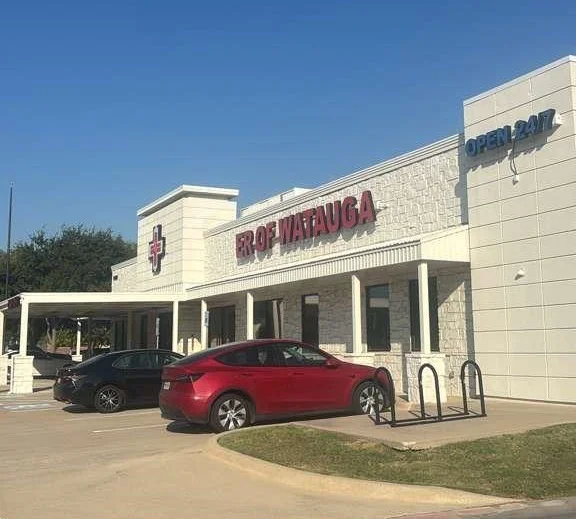
Searching for dehydration treatment near you? ER of Watauga sits on Basswood Boulevard and provides 24/7 emergency care with IV rehydration, onsite laboratory testing, and continuous monitoring for patients across north Tarrant County.
We treat patients from:
- Watauga
- Keller
- North Richland Hills
- Haltom City
- Saginaw
- Blue Mound
- North Fort Worth and nearby communities
No appointment. No excessive wait. Just dehydration treatment in Watauga that measures what you lost and replaces it correctly. Our doors stay open day and night, holidays included.
We're Open 24/7
Dehydration builds quietly. A stomach bug that seemed manageable, an afternoon in the heat, an elderly parent who stopped drinking during an illness.
If fluids will not stay down, or someone you love has turned confused and unsteady, do not wait for morning. Walk in or call ahead, and we will find out what your body is missing.
Call Now: (817) 945-5500
Hours: 24/7/365
Walk-In: 5401 Basswood Blvd, Fort Worth, TX 76137, United States

FAQs
When is dehydration serious enough for the ER?
Go immediately if you cannot keep fluids down, feel confused or faint, have not urinated in eight hours, or have a racing heart. These indicate severe dehydration, which needs IV replacement and electrolyte monitoring rather than oral fluids.
Can't I just get IV fluids at urgent care?
For mild dehydration, often yes. Severe dehydration is different. It requires lab testing to measure electrolytes and kidney function, plus screening for the infection or diabetic crisis behind it. Fluid alone can mask a serious cause.
How long does dehydration treatment take?
Most patients receive fluids over one to two hours and feel better well before it finishes. Full recovery can take a day or two as your body rebalances. Lab results return in minutes, so the diagnosis does not add to the wait.
Why are older adults at higher risk?
The thirst signal weakens with age, body water declines, and kidneys conserve fluid less efficiently. Common medications make it worse. Dehydration in seniors often shows up as confusion or a fall rather than thirst, so it is easy to miss.
What happens if dehydration goes untreated?
It can progress to kidney injury, seizures, heat stroke, and hypovolemic shock, where blood volume drops too low to supply the organs. Each of these is far harder to treat than the dehydration that caused it.
Can drinking water fix severe dehydration?
No. Once vomiting, confusion, or shock is involved, the gut cannot absorb fluid quickly enough, and drinking more will not correct the electrolyte losses. IV replacement under monitoring is the safe route.
Do you accept insurance and walk-ins?
Yes. Walk in any hour without an appointment. We accept most major insurance plans and offer flexible payment plans through Sunbit.