


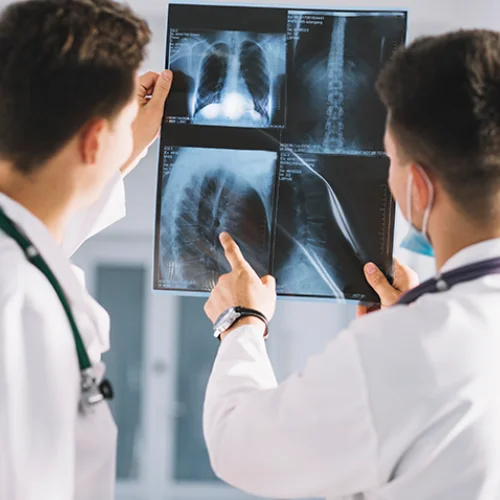

If a patient at a freestanding ER requires surgery or hospital admission, the facility stabilizes the patient, contacts the receiving hospital directly, arranges ambulance transport, and sends all test results and imaging ahead. The patient does not restart the diagnostic process.
At ER of Watauga, this works in practice the way it should work in theory. Your ER physician identifies the need, whether it is appendicitis requiring surgical intervention, a cardiac event needing catheterization, or a condition requiring inpatient monitoring beyond our observation capability. Pain is managed. Vital signs are stabilized. IV access is established.
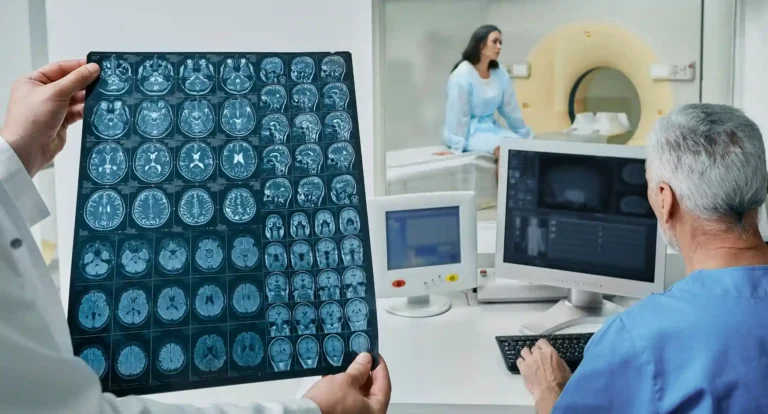
Then the facility calls the receiving hospital. When the ambulance arrives, your records travel with you. The hospital team picks up where we left off. No repeat CT. No re-drawn blood. No starting from scratch with a new provider who has zero context.
The initial stabilization window is often the most time-sensitive part of an emergency. Getting through that window faster, which is what a freestanding ER’s shorter wait times enable, can be the difference that matters most.