
Rash Treatment in Watauga, TX | 24/7 Allergic Reaction & Skin Emergency Care

ER of Watauga delivers fast, walk-in rash treatment in Watauga at any hour, every day of the year. Board-certified ER physicians, on-site labs, IV antihistamines and epinephrine for severe allergic reactions, and minimal to no wait times.

Rashes

When a Rash Crosses From Annoying to Dangerous

A rash on its own is one of the most common reasons people walk into an emergency room. The hard part is knowing which rashes are mild and self-limiting and which are the early sign of a severe allergic reaction or systemic infection. The two often look similar in the first hour. They behave very differently after that.

The mid-cities corridor sees a steady mix of cedar fever rashes in winter, oak pollen allergy and grass reactions in spring, poison ivy and insect bites year-round, and the same range of drug, infection, and contact reactions that affect any community.

ER of Watauga provides rash treatment in Watauga with same-visit diagnosis, on-site labs, and IV-grade treatment for anything that crosses the line from skin irritation to medical emergency.

When to Go to ER for a Rash

A rash becomes a medical emergency when it is moving fast, paired with symptoms that go beyond the skin, or showing up after a new medication or insect sting. Knowing when to go to ER for a rash matters because anaphylaxis and severe drug reactions can progress within minutes, not hours.

Walk in immediately if you have:

  • Difficulty breathing, throat tightness, or swelling of the face, lips, or tongue
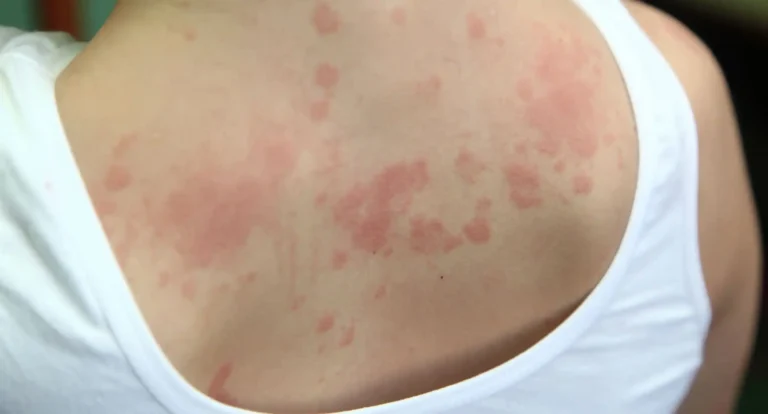
  • Hives that are spreading rapidly across the body
  • A widespread rash with fever above 101°F
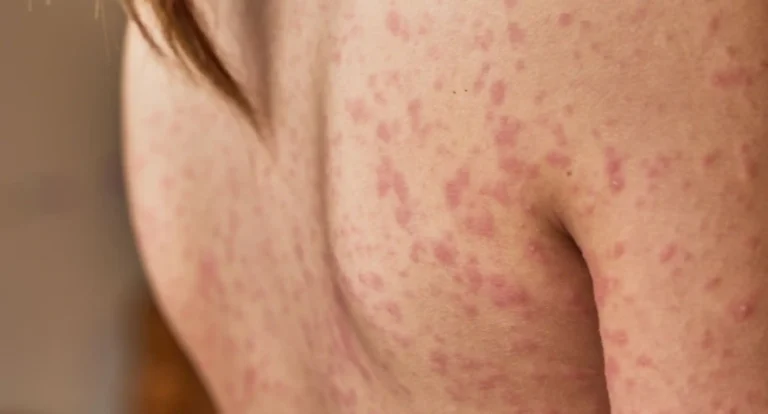
  • Tiny purple or red spots
  • Blistering, peeling, or sores in the eyes, mouth, or genitals
  • A new rash that started after a new medication
  • Confusion, dizziness, or fainting alongside any rash
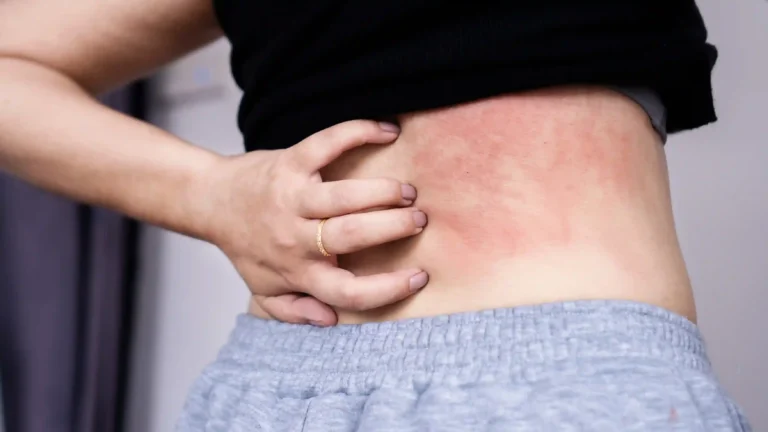
  • A rapidly expanding red, hot patch of skin
  • An infant under three months with any unexplained rash
  • A bee sting, wasp sting, or insect bite followed by hives spreading away from the sting site

The cheapest mistake in rash care is waiting too long. If you are weighing when to go to ER for a rash, the cost of an unnecessary visit is always lower than the cost of a delayed one for a serious allergic reaction or systemic infection.

Outdoor and Seasonal Rashes Common in North Fort Worth

The Tarrant County climate, the suburban green-belt lifestyle of Watauga, North Richland Hills, Keller, and Saginaw, and the heavy outdoor activity in Park Glen and surrounding neighborhoods produce a cluster of rashes our physicians see year-round.

Rashes

Cedar fever skin reactions

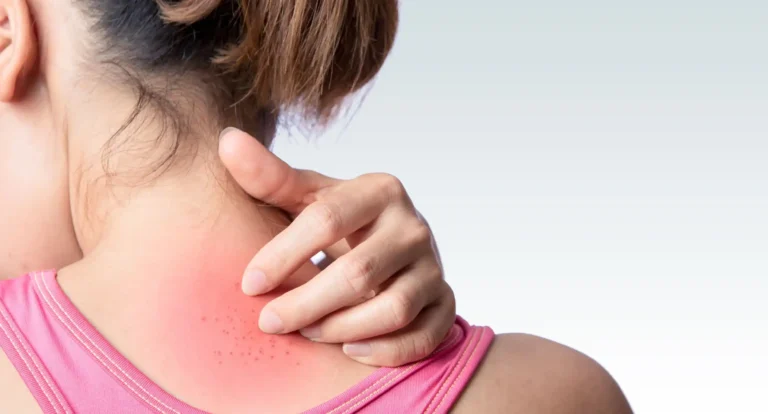
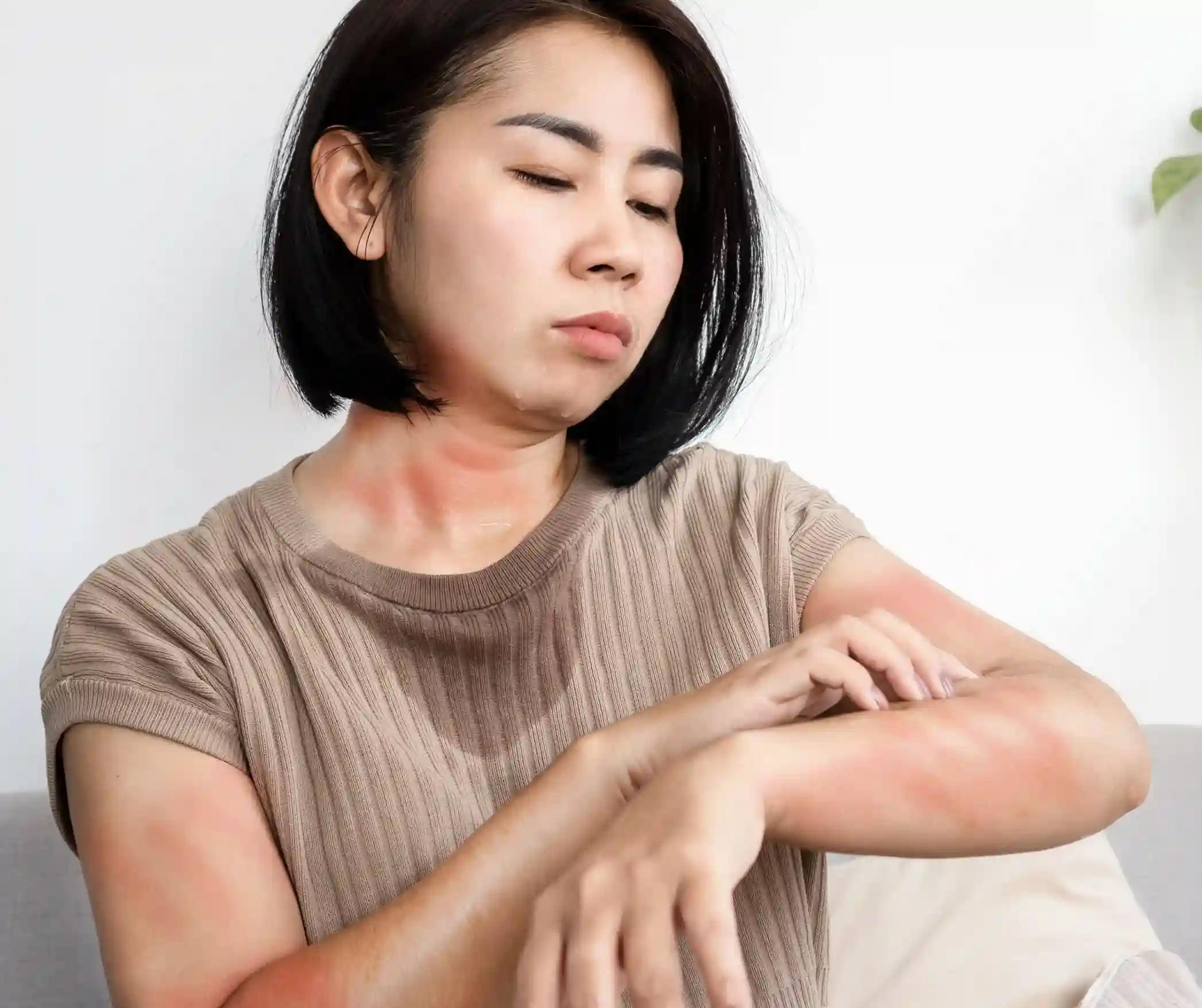
Mountain cedar pollen peaks in December through February across North Texas and triggers more than the classic runny nose and watery eyes. Many patients also develop an itchy, blotchy rash on the face, neck, and arms during high-pollen weeks. Severe reactions can include hives and angioedema.

Rashes

Poison ivy, poison oak, and poison sumac

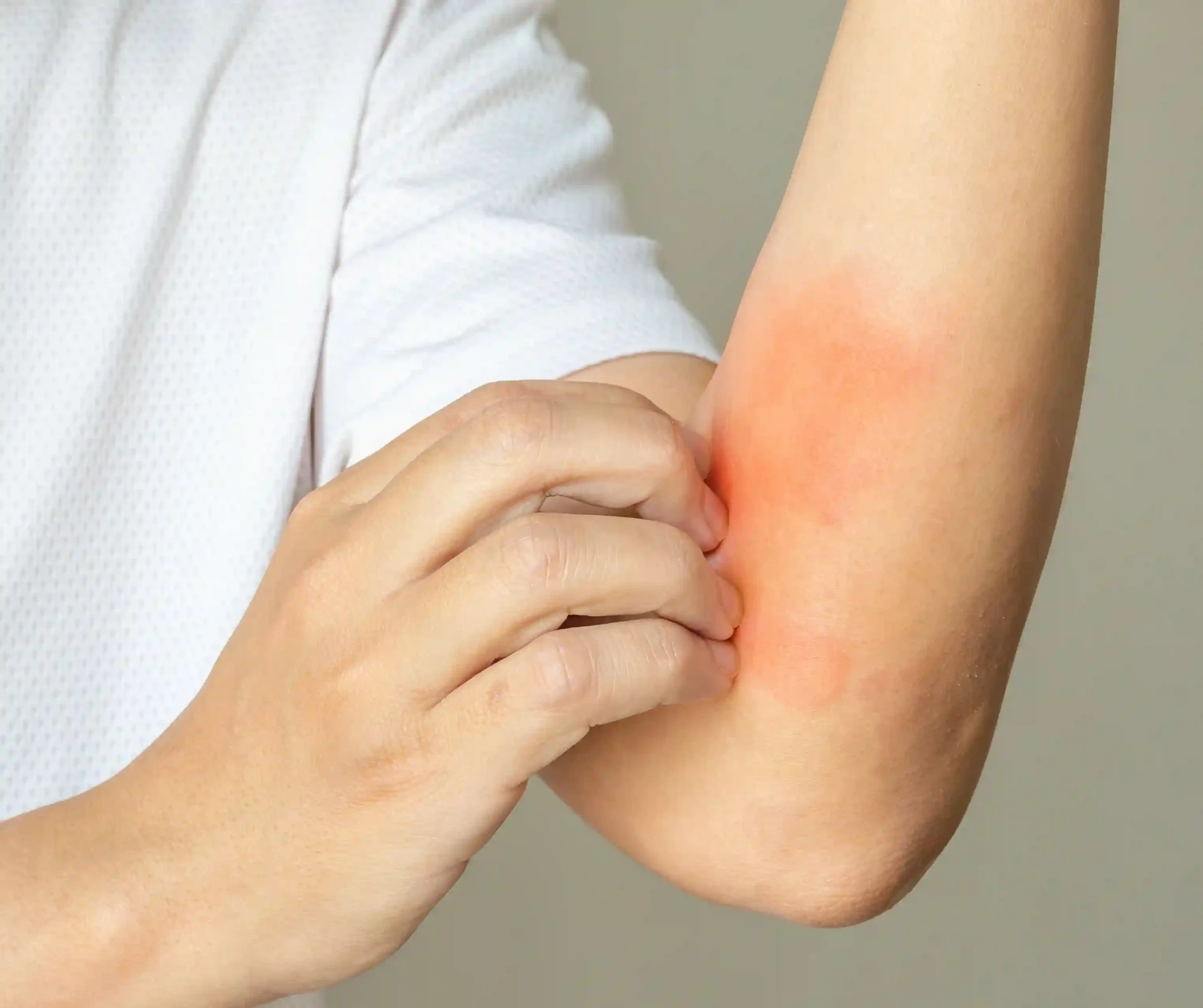
These plants thrive along greenbelts, creek edges, and yard borders across North Fort Worth. The blistering, intensely itchy rash usually appears 12 to 72 hours after contact. Severe cases involving the face, eyes, genitals, or large body areas need oral or IV steroids, not just topical creams.

Rashes

Insect bites and stings

Fire ant stings, wasp and hornet stings, mosquito reactions, bed bug bites, and tick bites all produce rashes that range from minor to dangerous. Two patterns we never want patients to ignore: hives spreading away from the sting site (early anaphylaxis) and a single bite that develops a clear bull’s-eye ring (possible Lyme disease).

Rashes

Brown recluse and other spider bites

Brown recluse bites are uncommon but real in North Texas and can cause necrotic skin reactions that need fast evaluation. Any spider bite that develops a dark center, blisters, or expanding red or purple area warrants ER attention.

Rashes

Heat rash and sun-related reactions

Texas summers produce heat rash and photosensitivity reactions, especially in patients on certain antibiotics or acne medications.

Allergic Reactions and Anaphylaxis: When Hives Become an Emergency

Hives are not always serious, but they can be the first stage of a chain reaction that ends in anaphylaxis within minutes. The difference between an inconvenient allergic reaction and a life-threatening one usually comes down to whether the airway, blood pressure, or both start to fail.

A severe allergic reaction is a medical emergency the moment any of the following appear:

  • Swelling of the face, lips, tongue, or throat
  • Difficulty breathing, wheezing, or a high-pitched stridor sound on inhale
  • Tightness in the chest or throat
  • Rapid heart rate, dizziness, or fainting
  • Vomiting or diarrhea alongside hives
  • Hives that spread across the body within minutes

The most common triggers our physicians see are foods (peanuts, tree nuts, shellfish, eggs, milk), medications (antibiotics, NSAIDs, contrast dye), insect stings (bees, wasps, fire ants), and latex.

If you carry an EpiPen, use it at the first sign of severe symptoms and come in immediately. The medication wears off, and a second wave of symptoms (biphasic anaphylaxis) can hit hours later, which is why ER monitoring is part of the standard of care after any anaphylactic reaction. Searching for allergic reaction treatment in Watauga at 11 PM is exactly the moment a 24/7 freestanding ER matters most.

Rashes

Other Rashes We Treat

Beyond outdoor and allergic causes, our physicians evaluate the full range of skin conditions that show up at an emergency room for rashes.

  • Bacterial skin infections: Cellulitis presents as red, hot, expanding, painful skin and needs IV antibiotics if the infection is moving fast or sits near the eyes, hands, or joints. Impetigo and infected wounds are also common reasons for an ER visit.
  • Viral rashes: Shingles produces a painful blistering rash in a band on one side of the body and responds best to antiviral therapy started within 72 hours. Chickenpox, measles, and other viral exanthems still occur and are evaluated with appropriate isolation.
  • Drug-induced rashes: Reactions to antibiotics, anticonvulsants, sulfa drugs, and other medications can range from mild to Stevens-Johnson syndrome, a true emergency involving blistering and mucous membrane damage. Any rash that develops after a new medication deserves prompt evaluation.
  • Contact dermatitis: Industrial exposures, household chemicals, jewelry reactions, and adhesive reactions can produce severe localized rashes that benefit from professional treatment when topical care has not worked.
  • Eczema and psoriasis flares: Severe flares with infection, weeping, or systemic symptoms need more than over-the-counter creams.

How ER of Watauga Diagnoses Rashes

A board-certified emergency physician evaluates you directly within minutes of arrival. The diagnostic workup combines focused history (timing, exposures, new medications, recent travel, contact triggers), physical exam, and on-site testing when the cause is not obvious from the exam alone.

Diagnostics available on-site include:

  • Full laboratory panel through our on-site clinical laboratory with complete blood count, inflammatory markers, and metabolic panel for infection and systemic involvement
  • Wound and skin cultures to identify bacterial pathogens in suspected cellulitis or infected lesions
  • Rapid testing for strep, mono, and flu through our strep, mono, and flu testing when scarlet fever or post-viral rashes are suspected
  • Imaging (X-ray or ultrasound) when deep tissue infection or abscess is a concern

Results return during your visit. Treatment begins as soon as the diagnosis is clear.
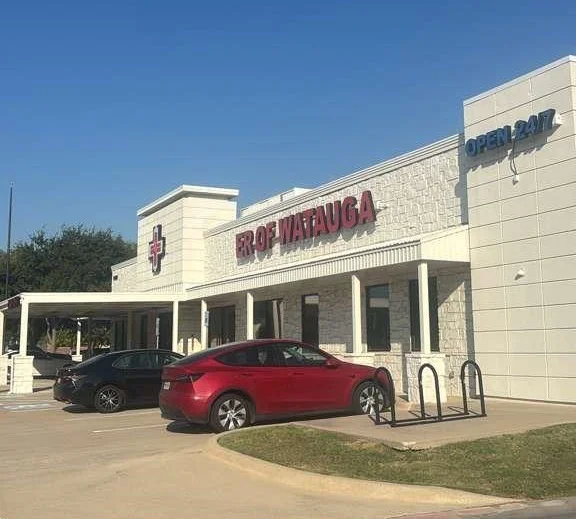
ER of Watauga

Rash and Allergic Reaction Treatment We Provide

Treatment depends on what the workup reveals. The starting point of rash treatment in Watauga at our facility is stabilization first, root cause second.

  • For severe allergic reactions and anaphylaxis, we administer IV epinephrine, IV antihistamines, IV corticosteroids, oxygen, and airway support, with continuous monitoring until symptoms have stabilized and the risk of biphasic reaction has passed.
  • For cellulitis and bacterial skin infections, we begin IV antibiotics and IV fluids on-site, drain abscesses when appropriate, and arrange follow-up oral therapy.
  • For shingles and other viral rashes, we start antiviral therapy and provide pain management.
  • For severe contact dermatitis (poison ivy, oak, sumac, chemical exposures), we use oral or IV corticosteroids, topical treatment, and discharge instructions for continued care at home.
  • For drug-induced rashes, we identify the suspect medication, discontinue it, and treat symptomatically. Suspected Stevens-Johnson syndrome or DRESS syndrome receives stabilization and immediate transfer to a burn or specialty center.
  • For mild to moderate hives without anaphylaxis, oral or IV antihistamines and steroids resolve most cases within hours.

If hospital admission is needed, we stabilize you on-site and arrange a direct transfer with all imaging, lab values, and physician notes sent ahead.

Rash Treatment Near Me in Watauga

ER of Watauga sits on Basswood Blvd just off Denton Highway, with direct access from the mid-cities corridor and northern Tarrant County. There is no hospital campus to navigate. You park at the door and walk straight in.

We provide rash treatment near me services to families and patients across the following communities:

If you are searching for an emergency room for rashes in the mid-cities, allergic reaction treatment in Watauga, or rash treatment near me at any hour, we are the closest option for most residents north of I-820.

Rashes

Pediatric Rash Care

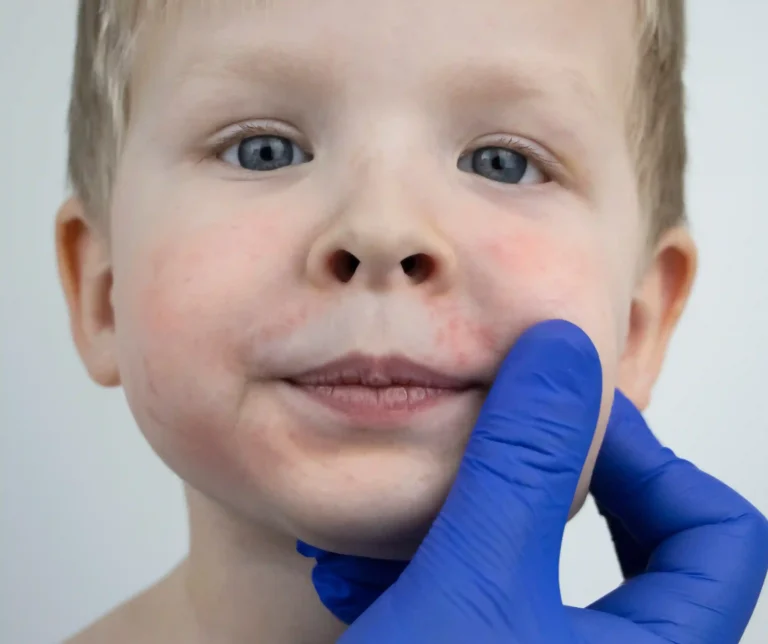
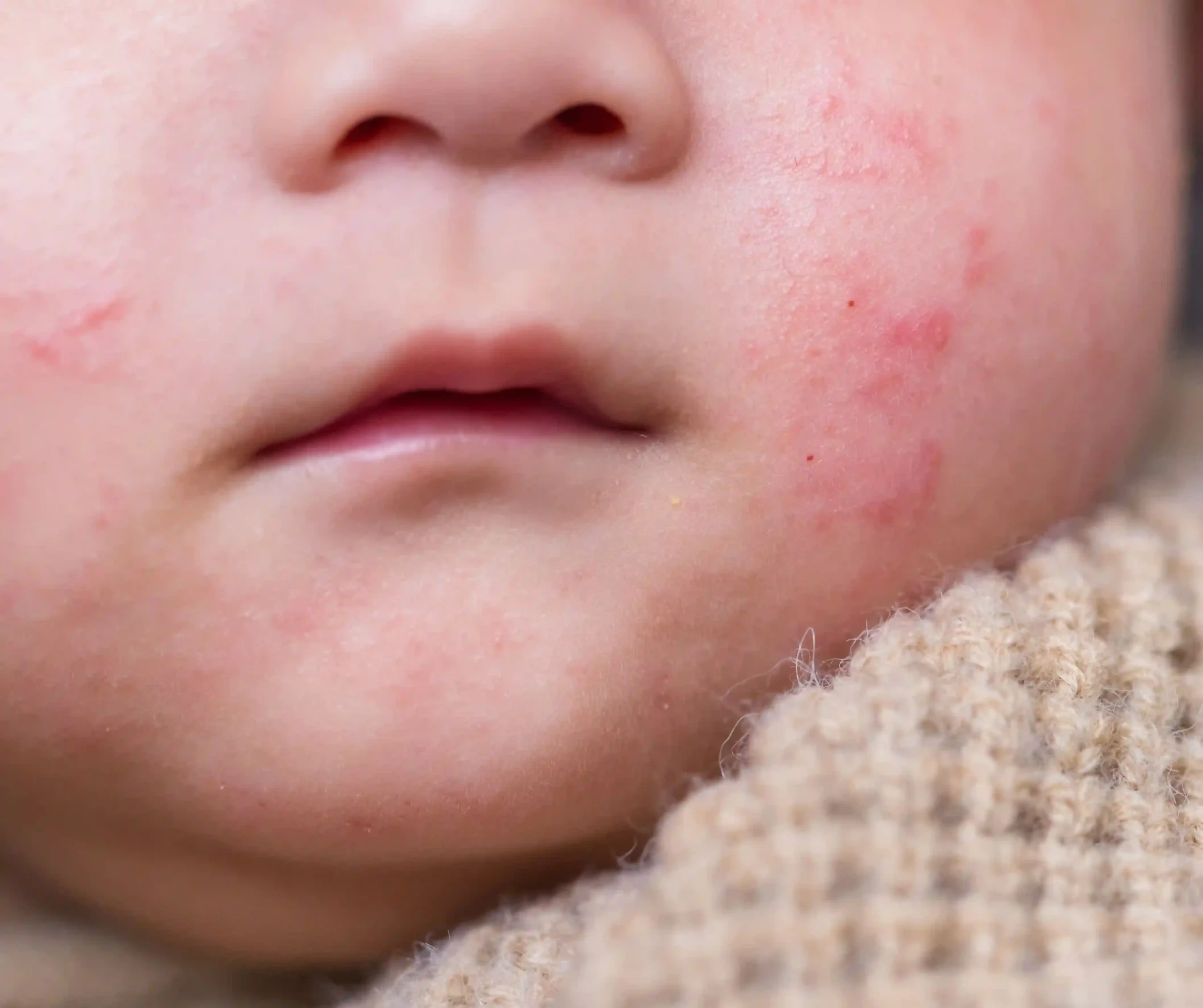
Children’s rashes need a different evaluation lens. Fever-with-rash patterns, pediatric viral exanthems, and rapid changes in skin appearance are all assessed against age-specific norms. Our pediatric emergency care team carries pediatric-dosed medications and treats children in private rooms with a parent present throughout. Walk in or use online check-in so we are ready when you arrive.

Rashes

What to Expect When You Walk In

Registration takes under two minutes. A nurse takes vitals, photographs the rash for the physician’s record if helpful, and places you in a private treatment room. A board-certified ER physician evaluates you directly and orders any needed labs, cultures, or imaging.

If immediate treatment is required, IV access is established and medications begin during the workup, not after. Most non-admitted rash visits are completed within 60 to 90 minutes from walk-in to discharge with a written diagnosis, prescriptions, and follow-up instructions.

Why Mid-Cities Patients Choose ER of Watauga for Rash Care

A board-certified emergency physician is on-site every hour of every day. Emergency medicine training matters most when a rash is moving fast or paired with breathing changes, because the physician needs to recognize anaphylaxis at first contact and treat it before it progresses.

Our diagnostic capability is what changes the experience. Lab results return during your visit. Cultures, blood work, and imaging are processed and read on-site by the same physician who is treating you.

The facility is built for focused emergency care. Private treatment rooms, no triage queue, no overcrowded corridors, and parking at the front door.

We accept most major insurance plans and process emergency visits at in-network benefit levels under the federal No Surprises Act. Our billing team can answer coverage questions before, during, and after your visit.

Phone: (817) 785-8000

Email: info@aimbillingsolutions.com

Rashes

Frequently Asked Questions About Rash Treatment

Go to the ER if the rash is paired with breathing difficulty, facial or throat swelling, high fever, rapid spreading, blistering, mucous membrane involvement, or new medication exposure. Urgent care can handle mild contact reactions and simple hives without systemic symptoms. Anything that crosses into a severe allergic reaction or possible drug reaction belongs in an ER. For more details, read our full ER vs urgent care comparison

Yes, and it can happen fast. Hives that spread away from the sting site, swelling of the lips or tongue, wheezing, or dizziness are signs of anaphylaxis and need immediate ER care.

Poison ivy typically appears as a streaky, intensely itchy rash with small blisters, usually 12 to 72 hours after contact with the plant. If the rash spreads beyond the contact area, covers the face or genitals, includes fever, or comes with breathing changes, it has crossed into territory that needs ER evaluation without wait.

Yes, especially if the fever is above 101°F, the rash is widespread, or the patient is a child under three months. Rash with fever can signal viral, bacterial, or systemic conditions that benefit from same-visit lab work and physician evaluation. When patients ask when to go to the emergency room for rashes, fever is the single clearest threshold.

Come in anyway. Epinephrine wears off in 15 to 20 minutes, and a biphasic reaction can occur hours after the initial event. ER monitoring after EpiPen use is the standard of care.

Yes. Cellulitis that is spreading fast, near the face or eyes, or not responding to oral antibiotics is treated with IV antibiotics on-site. Most patients begin treatment within 30 minutes of arrival.

Yes. We accept most major insurance plans and process emergency visits at in-network benefit levels under the No Surprises Act. Call us for coverage specifics before your visit.

Get Immediate Rash Treatment in Watauga at Any Hour

A worsening rash should not wait until morning, especially when it comes with swelling, breathing changes, or fever. ER of Watauga is open 24 hours a day, 365 days a year, with no appointment required and treatment that begins within minutes of arrival.

Phone: (817) 945-5500

Address: 5401 Basswood Blvd, Fort Worth, TX 76137

Hours: Open 24/7/365

Check-In Online For Fast Care!