

Some people with Interstitial Cystitis reach a point where even water burns because they ignored their food triggers. When the protective bladder lining thins in Interstitial Cystitis, acidic or caffeinated foods can directly irritate the nerves underneath.
This leads to burning, urgency, and pelvic pain. If it continues, the inflammation worsens and the bladder’s capacity gradually decreases. That’s when even plain water can start to burn.
Knowing about interstitial cystitis diet can stop that damage. By avoiding irritants such as coffee, soda, citrus, and spicy foods, you help your bladder recover. So, let’s look at bladder-friendly foods and the ones that can make inflammation worse. This information will help you manage IC symptoms and prevent future flares.
Understanding Interstitial Cystitis and Diet Connection
Interstitial cystitis is a chronic bladder condition characterized by pain and inflammation of the bladder wall. Although the exact cause isn’t known, certain foods and drinks can worsen irritation by increasing urinary acidity or activating nerve endings in the bladder lining.
Research suggests that dietary management can significantly impact symptom control, making nutrition an essential part of holistic IC treatment.¹
Bladder-Friendly Foods: What to Eat on an IC Diet
While individual sensitivities vary, some foods are generally well-tolerated and may even help soothe the bladder.
1. Low-Acid Fruits
- Pears
- Blueberries
- Watermelon
- Apples (peeled and mild varieties)
2. Vegetables
Most vegetables are safe, especially when steamed or cooked. Try:
- Broccoli
- Kale
- Carrots
- Zucchini
- Green beans
3. Whole Grains
Complex carbohydrates such as brown rice, oats, and quinoa provide energy and fiber without increasing urinary acidity.
4. Lean Proteins
- Chicken or turkey (grilled or baked)
- Fish (non-citrus marinated)
- Eggs
- Plant proteins like lentils and chickpeas (if tolerated)
5. Healthy Fats
Omega-3-rich foods like flaxseed, walnuts, and salmon help reduce inflammation, which may support bladder healing.²
6. Non-Acidic Beverages
Hydration is crucial. Choose:
- Filtered water
- Chamomile or marshmallow root tea (bladder-soothing)
- Coconut water (unsweetened)
Note: Avoid caffeine and artificial sweeteners, which can irritate the bladder.³
Interstitial Cystitis Foods to Avoid
Certain foods are known to worsen bladder symptoms. The goal of the interstitial cystitis diet is to identify and eliminate these triggers.
1. Acidic Foods
- Citrus fruits (oranges, lemons, grapefruits)
- Tomatoes and tomato-based sauces
- Vinegar and pickled foods
2. Caffeinated and Carbonated Drinks
Coffee, tea, and sodas are acidic and can overstimulate the bladder. Even decaf varieties may still cause irritation.⁴
3. Artificial Sweeteners
Aspartame and saccharin are associated with increased bladder pain in sensitive individuals.
4. Spicy Foods
Chili peppers, hot sauces, and certain seasonings can trigger burning sensations and inflammation.
5. Alcohol
Alcoholic beverages are diuretics and can alter urine pH, worsening frequency and urgency.
6. Chocolate
Contains both caffeine and acidic compounds that may irritate the bladder lining.
How to Identify Your Trigger Foods
Since IC triggers differ among individuals, a food diary is invaluable. Record everything you eat and note symptom changes.
A systematic elimination diet where you remove potential irritants and gradually reintroduce them can help pinpoint culprits safely and accurately.⁵
Supplements and Supportive Nutrients
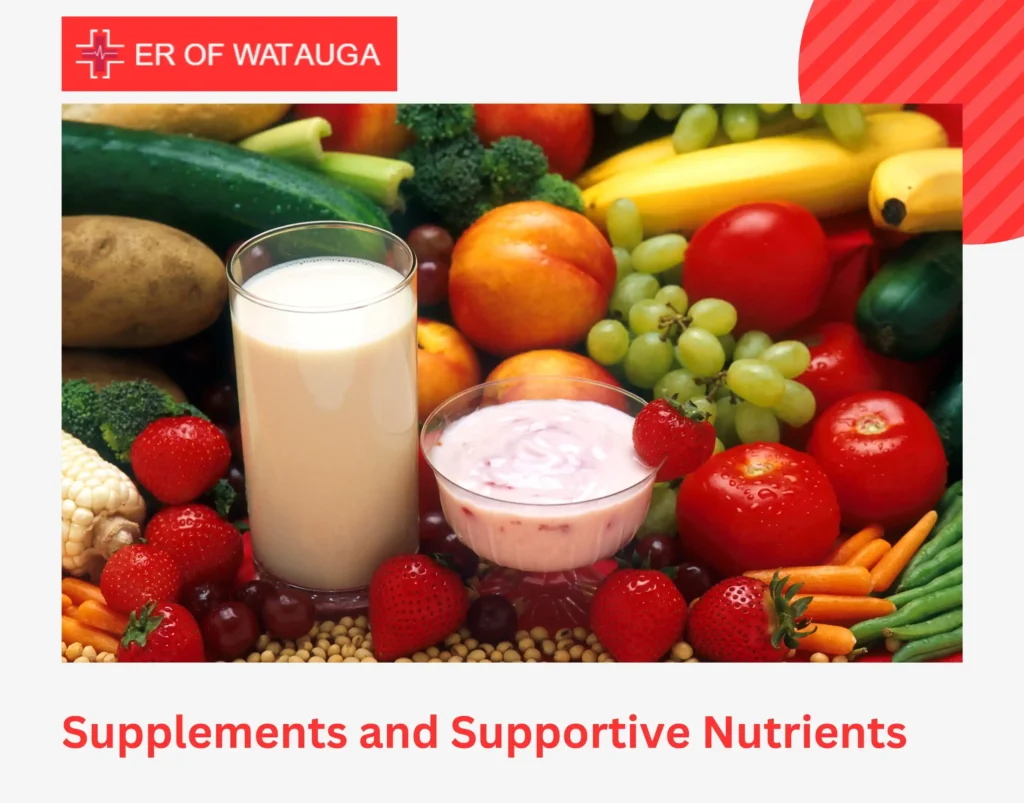
Some people benefit from supplements that help protect the bladder lining or reduce inflammation:
- Calcium glycerophosphate (Prelief)
- Quercetin
- Aloe vera extract (use only IC-safe formulations)
- Vitamin D and Omega-3s
- Always discuss supplements with your healthcare provider before use.
Lifestyle Tips for Managing IC Symptoms
Interstitial cystitis diet works best when paired with the right daily habits. These simple lifestyle changes can ease pain, support bladder healing, and make your diet more effective.
- Stay hydrated: Concentrated urine can worsen irritation.
- Bladder training: Gradually extend the time between bathroom visits but avoid holding urine too long.
- Stress reduction: Meditation, yoga, or deep breathing lowers cortisol, which can otherwise worsen pain.
- Avoid constipation: A full bowel presses on the bladder, amplifying symptoms.
- Wear loose clothing: Reduces pelvic pressure and discomfort.
Final Thoughts
Once you start learning which interstitial cystitis diet soothes the bladder, you feel more comfortable and less anxious about flare-ups. Still, sometimes even with all the right food choices, a bad flare can hit.
If you ever notice severe bladder pain, blood in your urine, or a constant burning feeling, seek immediate professional care.
The emergency medical team at ER Watauga provides rapid, 24/7 relief for severe bladder pain and urinary retention. We quickly run onsite lab tests to check for infections and provide the right treatment.
Together, good interstitial cystitis diet, stress control, and timely medical care can keep your bladder healthy.


