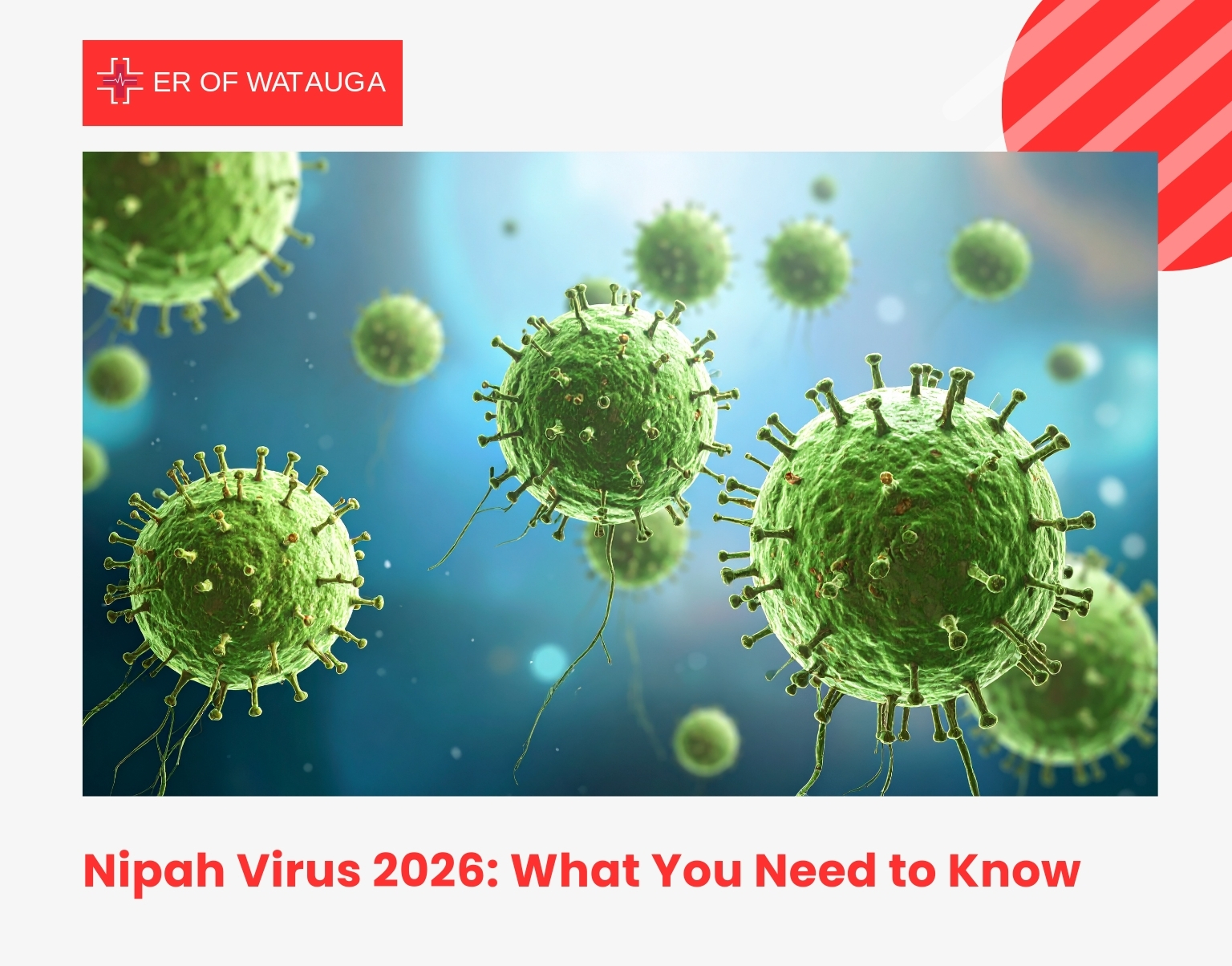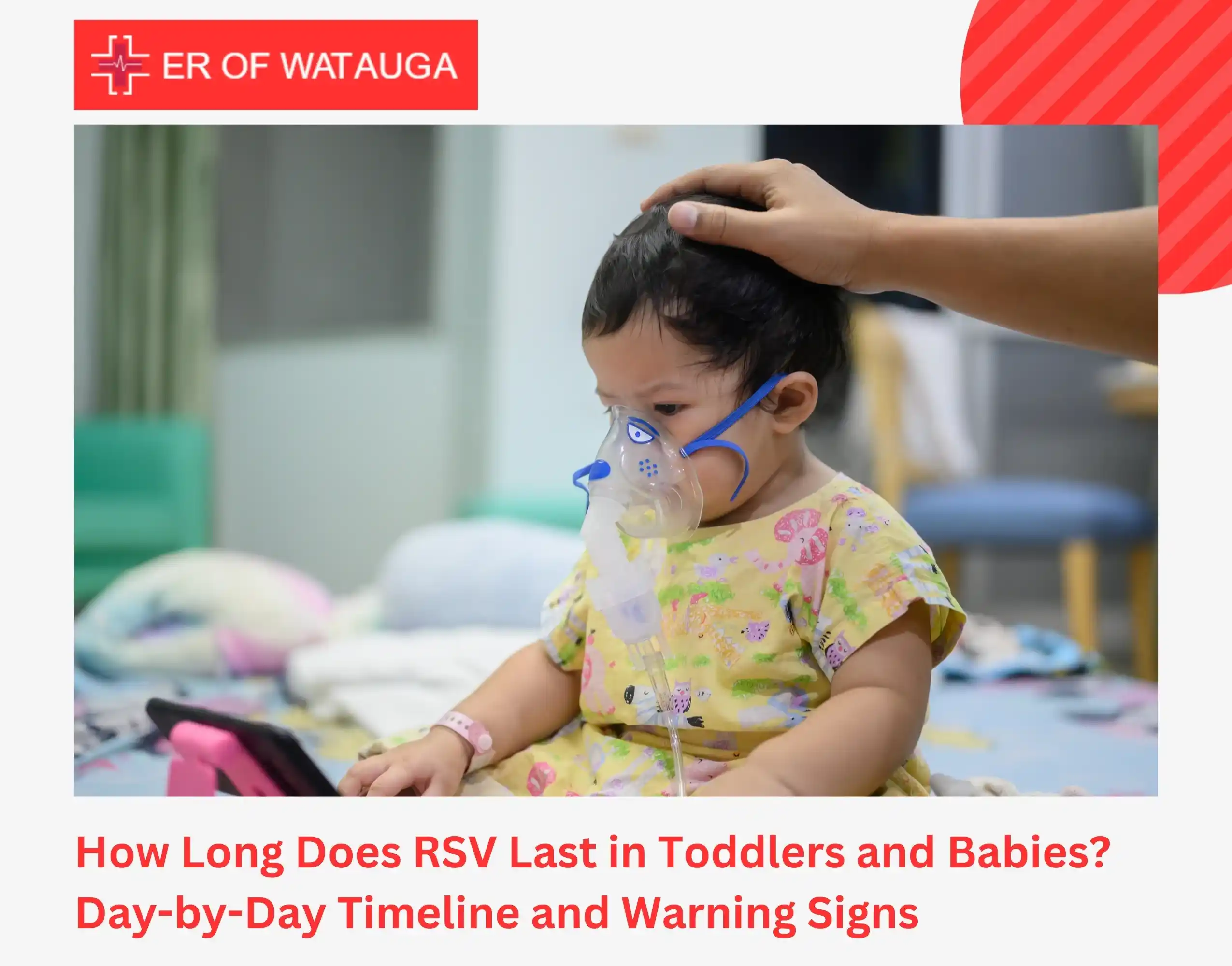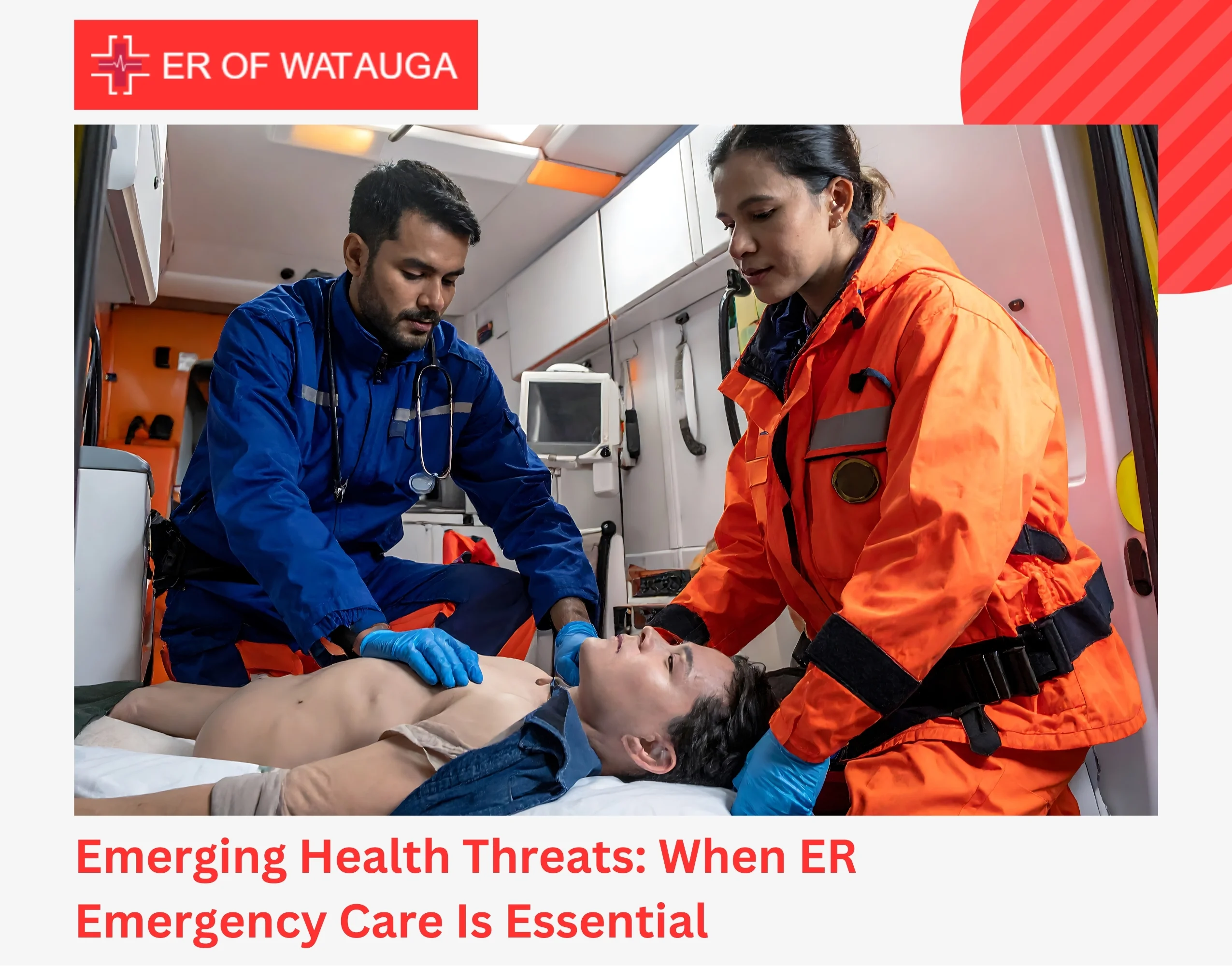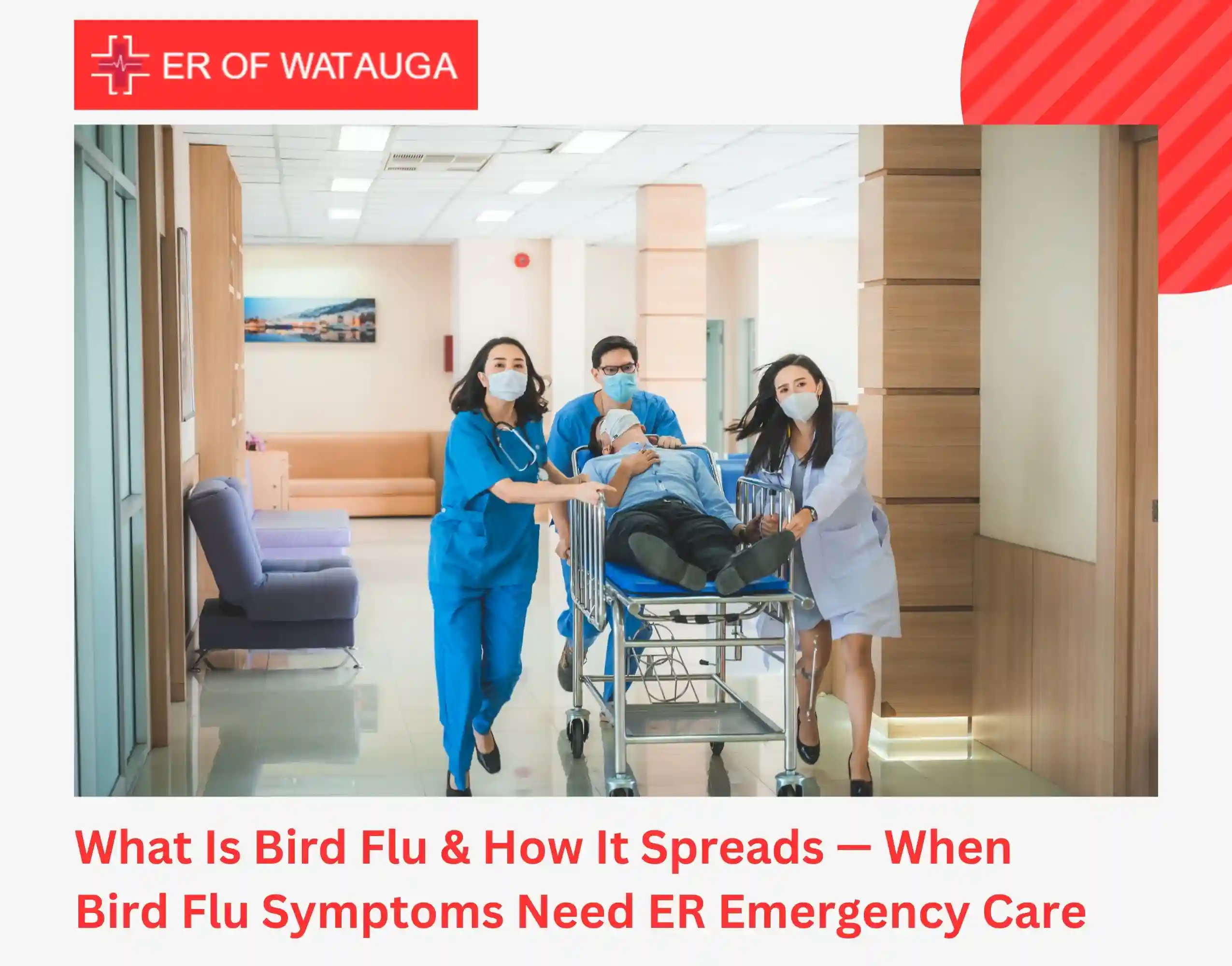
Bird flu is a viral infection that primarily affects poultry but can occasionally jump to humans. While most human cases remain mild, certain strains cause severe respiratory illness requiring immediate medical attention.
Understanding what bird flu is, recognizing early symptoms, and knowing when to seek emergency treatment can prevent serious complications. This guide covers how avian flu spreads, warning signs to monitor, and situations that demand urgent ER care.
What Is Bird Flu?
Bird flu, or avian influenza, is a viral infection caused by influenza A viruses found naturally in wild birds. These viruses spread easily among domestic poultry like chickens, ducks, and turkeys. Human infections occur rarely but can range from mild illness to life-threatening conditions.
Bird Flu Types That Infect Humans
Not all bird flu viruses pose a threat to people. The strains most likely to cause human illness include:
- H5N1: The most concerning strain, known for severe illness and high mortality rates in infected humans
- H7N9: Primarily found in China, linked to serious respiratory complications
- H5N6 and H9N2: Less common but capable of causing human infection
Most bird flu viruses remain confined to bird populations and never affect humans.
How Does Avian Flu Spread?
Bird flu usually starts in birds but can sometimes infect humans. People most often catch it by touching sick birds, their droppings, or contaminated surfaces.
While it is rare, bird flu can also spread from person to person. This typically happens only during very close contact with someone who is already sick. Here’s how it can spread:
- Bird-to-Human Transmission: Direct contact with sick birds, their droppings, or contaminated surfaces.
- Human-to-Human Transmission: Usually only during very close contact with someone who is infected.
- High-risk activities: Working with birds, visiting live bird markets, or handling poultry increases the chance of exposure.
Bird Flu Symptoms in Humans
Bird flu symptoms in humans typically appear 2 to 10 days after exposure. Severity varies widely depending on the viral strain and individual health factors.
Mild to Moderate Symptoms
- Fever
- Persistent cough
- Sore throat
- Muscle aches and fatigue
- Runny or stuffy nose
- Headache
Severe Symptoms – Seek ER Care Immediately
- Difficulty breathing or shortness of breath
- Chest pain or tightness
- Pneumonia or acute respiratory distress
- Confusion or altered mental state
- Bluish discoloration of lips or face (cyanosis)
Early recognition of symptoms allows for timely intervention before bird flu risks develop.
Bird Flu Risks & Complications
While anyone can catch bird flu, some people are at higher risk of serious illness. Knowing who is most vulnerable and the possible complications can help you take action early.
Who Is Most at Risk
- Older adults and young children
- People with weak immune systems or chronic illnesses
- Those who work closely with birds or poultry
Potential Complications if Untreated
- Severe pneumonia (lung infection)
- Difficulty breathing or respiratory failure
- Multi-organ infections in rare cases
- Prolonged high fever and dehydration
Seasonal and Geographic Considerations
Outbreaks occur more frequently in regions with dense poultry populations, particularly in parts of Asia, Africa, and the Middle East. Wild bird migration seasons (fall and spring) can introduce new viral strains to previously unaffected areas.
When to Seek Emergency Treatment

Most bird flu cases are mild, but some symptoms signal a serious infection that requires immediate ER care. Knowing these warning signs can help prevent complications and save lives.
Symptoms That Require Immediate ER Care
- Shortness of breath or chest pain: Difficulty breathing or chest tightness may indicate severe lung infection.
- High fever not responding to medication: Persistent fever despite over-the-counter medicine could signal a serious infection.
- Confusion, extreme weakness, or dizziness: These symptoms may show the infection is affecting the body more severely.
- Bluish lips or face: A sign of low oxygen levels, which requires urgent medical attention.
Role of the ER in Early Intervention
Emergency rooms provide rapid assessment and treatment for severe cases of flu. This may include:
- Oxygen support for breathing difficulties
- Antiviral medications to reduce virus severity
- IV fluids to prevent dehydration
- Monitoring for complications like pneumonia
If you have known exposure to infected birds and develop respiratory symptoms, inform ER staff immediately upon arrival.
Prevention Tips
Preventing the flu starts with simple steps that reduce your risk of exposure and infection.
Avoid Contact with Infected Birds
- Stay away from sick or dead birds.
- Avoid live bird markets or areas where birds gather if outbreaks are reported.
- Do not touch bird droppings or contaminated surfaces.
Practice Good Hygiene and Safety Measures
- Wash your hands regularly with soap and water.
- Use gloves or protective clothing if handling birds or poultry.
- Clean surfaces and utensils that may have come into contact with birds.
Follow Vaccination and Public Health Guidance
- Stay updated on local health advisories during outbreaks.
- Receive flu vaccinations as recommended by health authorities.
- Follow instructions from public health officials for reporting sick birds or exposure.
Conclusion
Bird flu is a viral infection that primarily affects birds but can occasionally cause serious illness in humans. Recognizing bird flu symptoms early and understanding how avian flu spreads are essential for protecting yourself and your family.
Most infections remain mild, but severe cases can progress rapidly to pneumonia and respiratory failure. If you experience difficulty breathing, persistent high fever, confusion, or chest pain after potential bird exposure, seek emergency treatment immediately.
Simple prevention measures; avoiding contact with sick birds, practicing good hygiene, and cooking poultry thoroughly; significantly reduce your infection risk.
Frequently Asked Questions About Bird Flu
1. Can bird flu be spread through cooked poultry?
No. Proper cooking destroys the virus completely. Always cook chicken, turkey, and eggs to an internal temperature of 165°F (74°C) before consuming.
2. How long after exposure do symptoms appear?
Symptoms typically develop within 2 to 10 days following exposure to infected birds or contaminated environments.
3. Are there antiviral treatments for bird flu?
Yes, doctors can prescribe antiviral medications for severe cases. Early treatment is most effective in reducing the severity of illness.
4. Can bird flu spread from person to person?
No. Person-to-person spread is extremely rare and requires close, prolonged contact with an infected individual. Current strains have not shown sustained human transmission.
5. How can I protect myself if I work with birds?
Use protective clothing, gloves, and masks when handling birds. Wash your hands often and avoid touching your face. Follow public health guidelines for exposure to birds.