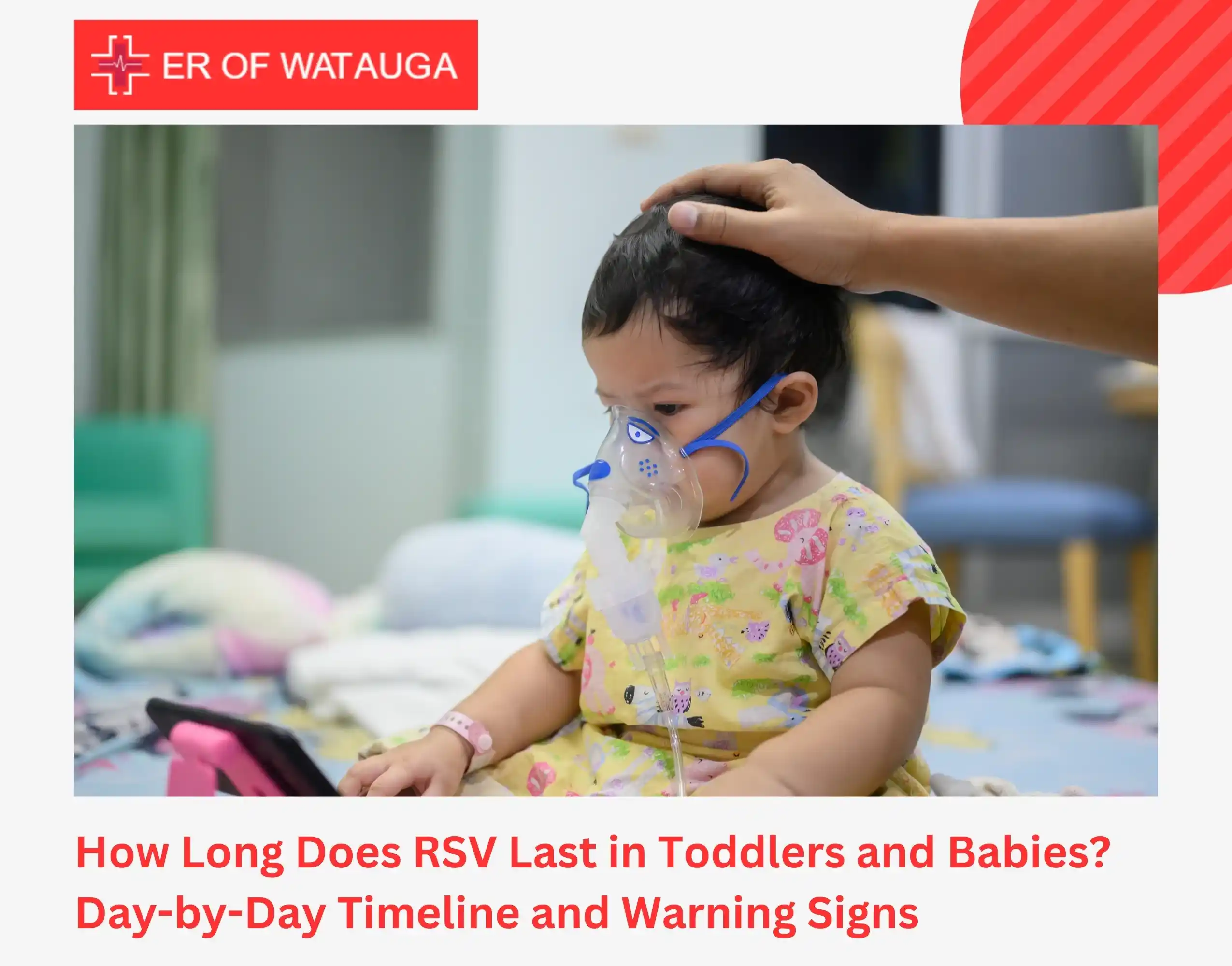
Can you be hospitalized for strep throat? Yes, though it’s rare. Most people recover at home with antibiotics, but untreated or severe cases require hospital admission.
Hospitalization becomes necessary when complications develop. These include peritonsillar abscess, rheumatic fever, or kidney inflammation from your body’s immune response. These severe strep throat complications don’t announce themselves gradually. Symptoms escalate: breathing difficulty, extreme swelling, bloody urine, or confusion signal strep emergency requiring immediate evaluation.
Here’s when strep throat complications cross from uncomfortable to dangerous, and what warning signs demand urgent care.
What Is Strep Throat?

Strep throat is a contagious infection caused by the Group A Streptococcus bacteria. It primarily affects the throat and tonsils, causing sudden pain and inflammation. The bacteria spread through respiratory droplets, such as when someone coughs, sneezes, or shares food and drinks.
Common Strep Throat Symptoms
Strep throat often begins with a sore, scratchy throat and pain while swallowing. Other typical signs include:
- Fever and chills
- Red, swollen tonsils (sometimes with white patches or streaks of pus)
- Tiny red spots on the roof of the mouth
- Swollen lymph nodes in the neck
- Headache or fatigue
If these symptoms appear suddenly and worsen quickly, it’s best to get tested for strep.
When Could Hospitalization Become Necessary for Strep Throat?
Most people recover from strep throat at home, but in some situations, the infection may require hospital care. Hospitalization may be necessary if the following strep throat complications develop.
1. Peritonsillar Abscess (Severe Throat Swelling)
One of the most common strep throat complications is a peritonsillar abscess, where pus collects behind the tonsil, causing intense pain, a muffled voice, and difficulty swallowing or breathing. Without prompt drainage and IV antibiotics, this can quickly become an emergency.
2. Rheumatic Fever
If strep throat isn’t treated correctly, the immune system can overreact, leading to rheumatic fever — a condition that affects the heart, joints, and nervous system. It can cause long-term heart damage, which often requires hospital monitoring and care.
3. Post-Streptococcal Glomerulonephritis (Kidney Inflammation)
This condition occurs when the body’s immune response to strep damages the kidneys. Symptoms include dark or bloody urine, swelling in the face or legs, and high blood pressure. Hospitalization may be necessary for testing, IV fluids, and supportive care.
4. Invasive Group A Streptococcal Infection (iGAS)
In rare cases, Group A Streptococcus bacteria can invade the bloodstream or deeper tissues, leading to sepsis, toxic shock syndrome, or organ failure. This severe infection requires immediate hospitalization and IV antibiotics.
5. Airway Obstruction or Severe Swelling
Occasionally, strep throat can cause so much swelling that it becomes difficult to swallow or breathe. When the airway is threatened, emergency care and hospitalization may be required to ensure patient safety.
Signs and Symptoms That Require ER or Hospital Care
Most sore throats heal without complications; however, certain symptoms signal a strep emergency and require immediate medical attention. If you experience the following, seek help immediately. These symptoms may indicate life-threatening complications affecting your airway, kidneys, or overall health.
Strep Throat Red flags
- Difficulty breathing or swallowing
- Drooling or inability to open the mouth fully
- A high fever (over 102°F / 39°C) that does not improve with medication
- Severe neck pain or swelling
- Dark or bloody urine, facial puffiness, or swelling in the legs
- Extreme fatigue, confusion, or dizziness
What Happens in ER for Strep Throat

When you arrive at the hospital with severe strep throat or strep throat complications, the care team’s first goal is to assess how far the infection has spread and stabilize your condition. You’ll likely undergo a throat swab and culture to confirm the presence of group A Streptococcus bacteria.
In more severe cases, doctors may also order:
- Blood tests (CBC, renal panel, liver function, inflammatory markers) — to check for infection severity, organ involvement, or dehydration.
- Imaging tests such as ultrasound or CT scan — if an abscess (like a peritonsillar abscess) or deep neck infection is suspected.
Hospital Treatment and Care
Depending on your results, treatment may include:
- IV antibiotics to quickly treat the infection and prevent its spread.
- Surgical drainage is indicated if an abscess has formed and is blocking the airway or causing severe pain.
- Airway management or oxygen support is required in rare cases where swelling or inflammation affects breathing.
Prevention & Early Treatment for Strep Throat

Catching and treating strep throat early prevents serious complications and the need for hospitalization. Here’s what to do:
1. Seek Early Medical Attention
If you suspect strep throat, especially when symptoms such as a sore throat, fever, and swollen tonsils appear, it’s essential to visit your primary care provider promptly. A simple throat swab can confirm the diagnosis, allowing treatment to begin before the infection spreads or worsens.
2. Complete the Full Antibiotic Course
Even if you start feeling better, finishing the full course of prescribed antibiotics is key. Stopping too soon can allow bacteria to survive and trigger severe strep throat or post-strep complications, such as rheumatic fever.
3. Maintain Good Hygiene Habits
Strep bacteria spread easily through droplets; therefore, frequent handwashing, avoiding the sharing of utensils, and covering your mouth when coughing or sneezing can help reduce transmission. Replace your toothbrush after recovery to prevent reinfection.
Conclusion
In most cases of strep throat, hospital care isn’t needed. However, in severe situations, hospitalization is necessary to prevent further harm from strep throat complications like abscesses or rheumatic fever.
Therefore, you must monitor your symptoms and don’t ignore severe signs, such as difficulty breathing, persistent fever, or swelling that makes swallowing difficult.
If symptoms worsen or you are uncertain, please contact your doctor or visit Watauga ER for prompt evaluation and care.