Pneumonia feels like breathing through a weight on the chest. Air moves in, but it feels limited. Many people notice they can’t finish a sentence without pausing for breath, even though they don’t feel sick.
That’s the scary part about pneumonia. It doesn’t always give clear warnings. A person may still be talking, walking, and working while the infection settles deep in the lungs and oxygen levels slowly drop.
This is why some people suddenly collapse at home instead of gradually feeling worse. Knowing the warning signs helps seek care before reaching that point. Let’s take a closer look at what does pneumonia feel like, how its symptoms progress, and when emergency care is necessary.
What Does Pneumonia Feel Like?
Pneumonia feels like a heavy pressure or tightness in the chest, often accompanied by sharp pain when breathing deeply, persistent coughing, fever with chills, and extreme fatigue. Many describe the sensation as being unable to take a full breath, no matter how hard they try.
Common symptoms include:
Early Pneumonia Symptoms
Pneumonia typically begins after a respiratory infection such as the flu or a common cold. In its early phase, many people feel:
- Cough: Can be dry or bring up mucus. Usually lasts several days and may get worse.
- Mild Fever and Chills: Often come on suddenly and go.
- Chest Pain or Tightness: Sharp or heavy feeling, worse when you breathe or cough.
- Fatigue and Weakness: You may feel tired as your body fights the infection.
Symptoms As Pneumonia Worsens
As pneumonia progresses, symptoms intensify and become more specific. People commonly describe it as:
- Chest Pain That Hurts to Breathe: Sharp or stabbing chest pain, especially when taking a deep breath, coughing, or laughing.
- Severe Shortness of Breath: Breathing may feel labored or shallow, even while resting. Simple activities like standing up, walking to the bathroom can leave you gasping for air.
- High Fever and Intense Chills: Sometimes above 102°F / 39°C along with shaking chills and heavy sweating.
- Productive Cough With Mucus: The cough usually becomes wet and productive, bringing up thick mucus. Sputum may appear yellow, green, rust-colored, or blood-tinged. This is one of the strong lung infection signs.
- Extreme Weakness and Body Aches: Many patients report feeling completely drained, with muscle aches and an inability to stay upright for long.
Mental and Emotional Effects of Pneumonia
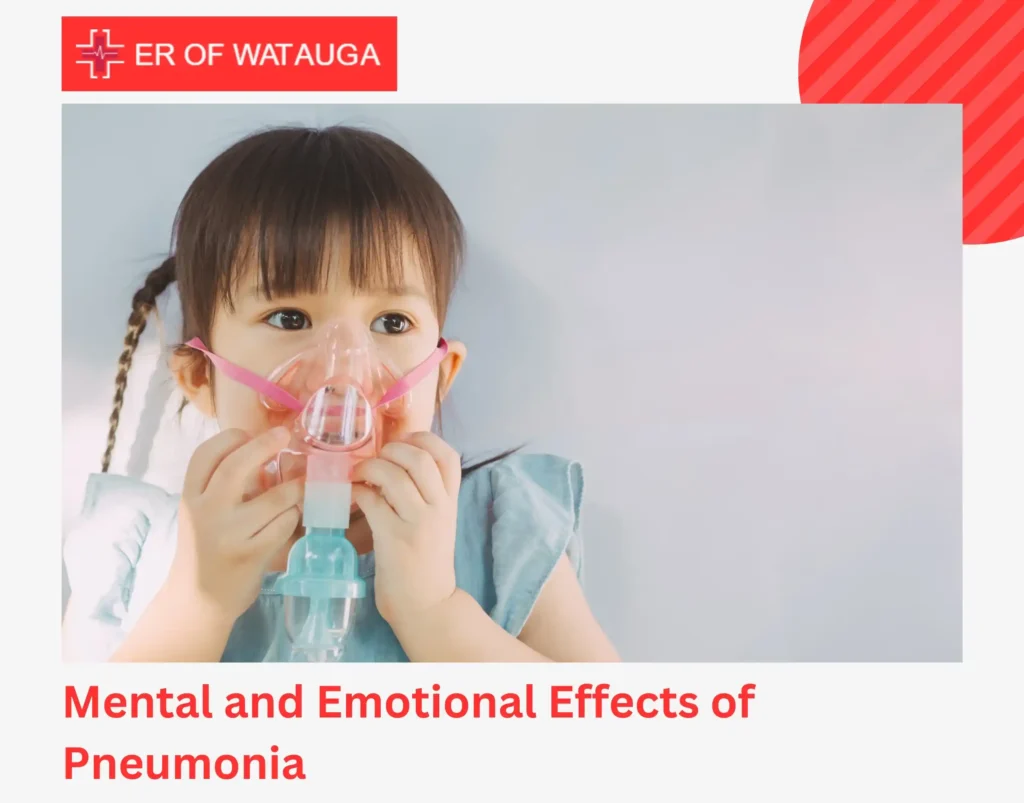
Pneumonia doesn’t just affect the lungs; it can affect the brain and emotions too.
- Confusion or disorientation, especially in older adults.
- Anxiety or panic, triggered by difficulty breathing.
- Sleep disturbances, due to coughing, fever, and chest discomfort.
In elderly patients, confusion may be the first or main symptom.
What Causes Pneumonia?
Pneumonia is an infection of the lungs’ air sacs, called alveoli. These tiny sacs are where oxygen enters your blood. The infection fills these air sacs with fluid or pus. As a result, your lungs cannot pass enough oxygen to your body. This makes breathing harder and may cause fever, chest discomfort, and other lung infection signs.
Types of Infection
Pneumonia can be caused by bacteria, viruses, or fungi. Each type can make you sick in slightly different ways.
Who is at Risk
Young children, older adults, people with weak immune systems, or those with chronic health problems are more likely to get pneumonia.
Signs You Need Emergency Care for Pneumonia

Some pneumonia symptoms can get serious fast. If you notice any of these warning signs, go to the ER right away:
- Severe Shortness of Breath: Trouble breathing or feeling unable to get enough air.
- Blue Lips or Fingernails: Cyanosis is a sign your body isn’t getting enough oxygen.
- Persistent High Fever: A fever that does not go down with medicine or keeps returning.
- Confusion or Dizziness: You may feel very weak, lightheaded, or confused.
- Chest Pain Worsening with Breathing: You experience sharp or heavy chest pain when you breathe or cough.
- Infants, the Elderly, or Immune-Compromised Patients: Young children, older adults, and people with weakened immune systems are at higher risk and should seek medical help right away.
How Does the ER Treat Pneumonia?
At Watauga Emergency Room, we treat pneumonia quickly and safely to help you recover faster.
- Immediate Assessment by Medical Staff: Doctors and nurses assess your symptoms and vital signs as soon as you arrive.
- On-Site Diagnostic Tests: X-rays, blood tests, and oxygen checks help us see how serious the infection is.
- Treatment Options: You may get IV fluids to stay hydrated, antibiotics if it’s a bacterial infection, oxygen therapy, and breathing support if needed.
- Monitoring for Complications: Our team will closely monitor you to prevent complications such as severe lung issues or low oxygen levels.
- Admission or Discharge Decision: Patients with severe symptoms, advanced age, or underlying diseases are usually transferred to the hospital. Mild cases may be treated and discharged with strict follow-up instructions.
Prevention and Risk Reduction
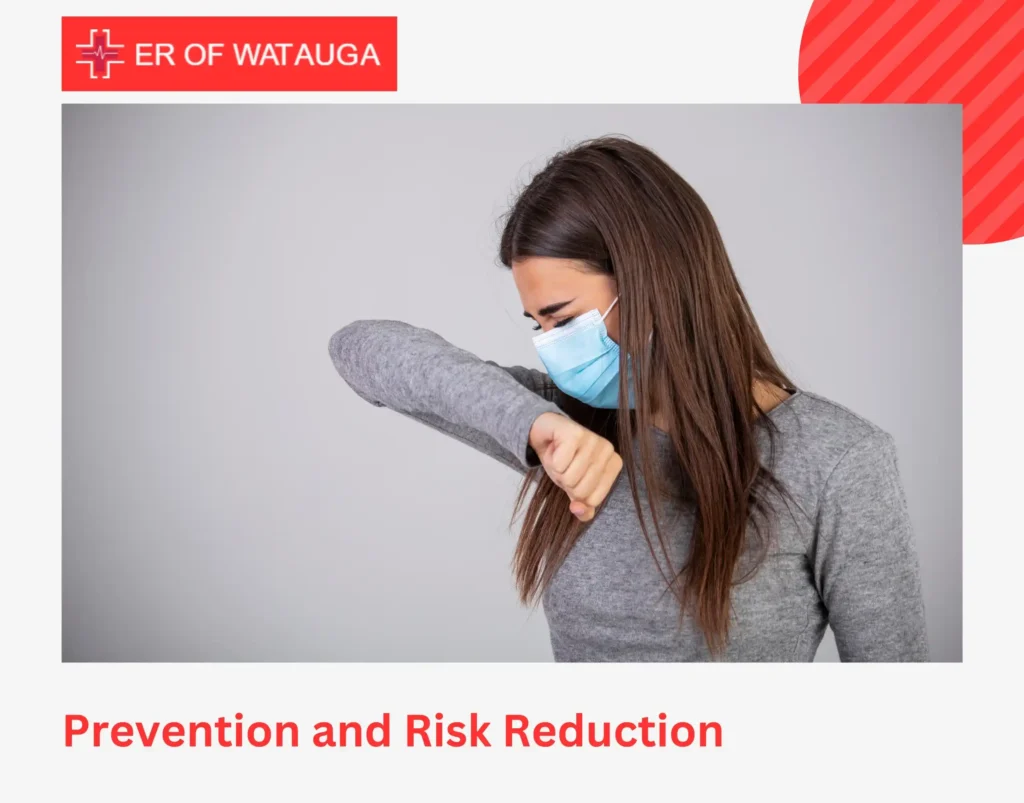
You can lower your risk of pneumonia by following a few simple steps:
- Vaccines: Keep up to date with flu, pneumococcal, and COVID-19 vaccines to protect your lungs.
- Good Hygiene and Handwashing: Wash your hands regularly to help prevent the spread of germs.
- Avoid Smoking and Vaping: These habits weaken your lungs and make infections worse.
- Managing Chronic Lung Conditions or Allergies: Keep conditions like asthma or allergies under control to reduce your risk of severe pneumonia.
Final Thoughts
Pneumonia is often missed because people don’t know what pneumonia feels like. It can start off mild, but get life-threatening fast if not treated. Recognizing signs early can be lifesaving.
ER Watauga is open 24/7 to evaluate pneumonia-related symptoms such as breathing difficulty, low oxygen levels, persistent high fever, and chest pain. With on-site imaging, laboratory testing, oxygen support, and immediate IV medications, treatment can begin without delay.
FAQs About Pneumonia
1. What does pneumonia feel like in the early stages?
Early signs often include a lasting cough, mild fever, tiredness, and shortness of breath. It may start like a cold or flu, but it can get worse quickly.
2. How quickly does pneumonia develop?
Pneumonia can develop in just a few days, especially if bacterial infection is the cause. Viral pneumonia may start more slowly but can still become serious.
3. Can pneumonia be treated at home?
Mild cases may improve at home with rest, fluids, and fever-reducing medicine. But if you have trouble breathing or a high fever, you need to see a doctor right away.
4. When should I go to the ER for pneumonia?
Go to the ER if you have severe shortness of breath, chest pain, a high fever that won’t go away, confusion, or blue lips or fingernails. Infants, older adults, and people with weak immune systems should get care early.
5. How does bacterial pneumonia differ from viral pneumonia?
Bacterial pneumonia usually develops quickly and may need antibiotics. Viral pneumonia often starts slowly and is treated with supportive care. Both types can be serious and should be checked by a doctor.
6. Can pneumonia affect anyone?
Yes, anyone can get pneumonia, but young children, older adults, and people with long-term illnesses or weak immune systems are at higher risk for severe infection.