



Frequently Asked Questions
What are the most prevalent signs of a heart attack in Haltom City?
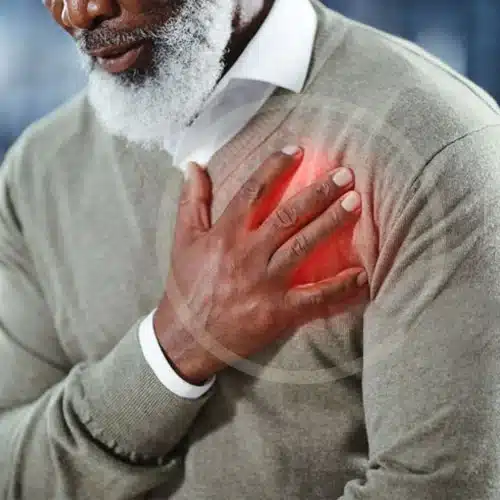
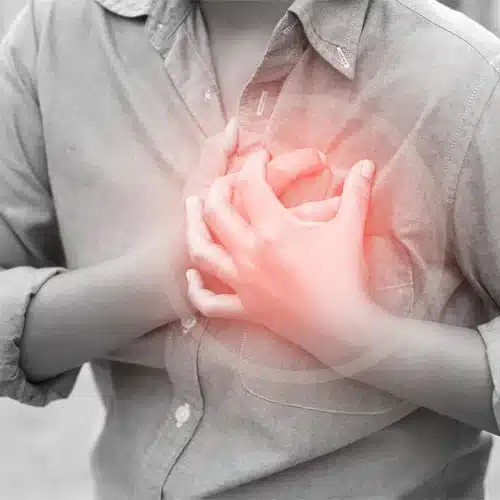
The usual signs that indicate a Heart Attack Haltom City are chest pain discomfort, breathing shortness, nausea, lightheadedness, and pain in the arms, back, neck, jaw, or stomach. Baby, you should seek urgent medical care if you experience these undesirable conditions.
What should I do if I believe I am having a heart attack in Haltom City?
If you suspect that you’re having a Heart Attack Haltom City, firstly it is important to call your local emergency number. While you are waiting for the arrival of the help, have nothing to do with strenuous physical activity, and if your physician has suggested otherwise, take aspirin. Don’t force yourself to drive yourself there.
How are heart attacks identified and treated in Haltom City?
The time of Heart Attack Haltom City is defined by doing an intake history, physical examination, ECG / EKG, blood tests, and imaging studies. Intervention can include the use of medicines that improve the blood flow to the heart like aspirin, nitroglycerin, or thrombolytics. Moreover, it may involve angioplasty or stent positioning.
What are the risk factors for a heart attack in Haltom City?
Heart Attack Haltom City is triggered by high blood pressure, high cholesterol, smoking, diabetes, obesity, sedentary lifestyle, and family history of heart disease as causes, not forgetting age for men over 45 and women over 55. These risk factors are commonly seen in patients at high risk of getting a heart attack leading to adaptation of lifestyle modification and better drug management.
How do I avoid a heart attack in Haltom City?
Here in Haltom City, you can escape heart attack, should you change your lifestyle habits, which are heart healthy and adopt them; thus, you should maintain a healthy diet, low in bad fat intake and cholesterol, exercise regularly, maintain a good weight, avoid smoking, manage your stress, and as well control other medical conditions that are usually known to lead to heart attack; for example, high blood pressure, high cholesterol. Routine visits with health care providers also offer you the chance to keep your heart safe by screening and treatment.