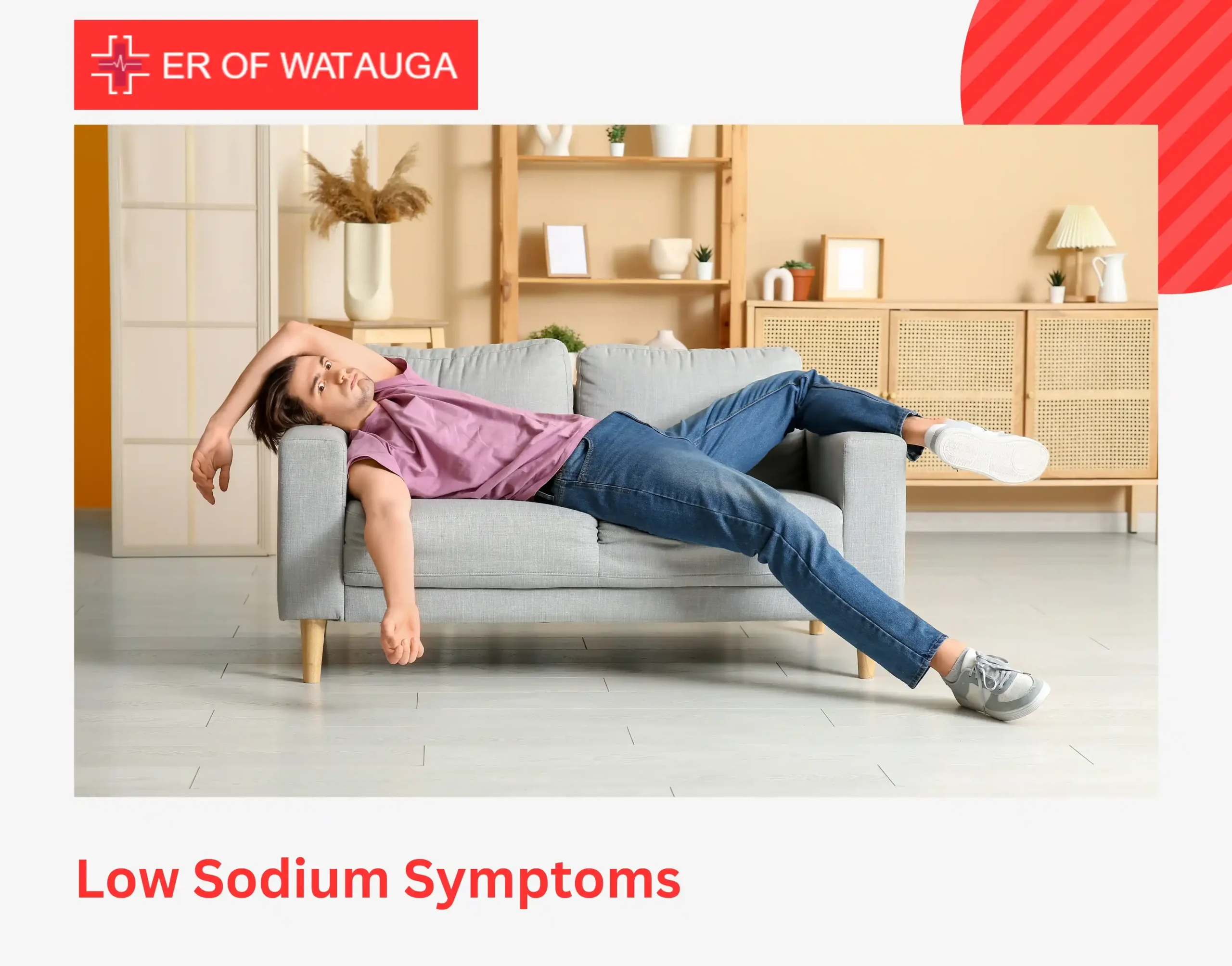
Low sodium, or hyponatremia, may look harmless in the beginning, but it can become catastrophic within hours if you don’t recognize the signs. When sodium levels drop, the brain cells begin to swell inside the skull, and the body is unable to relieve that pressure.
Once the swelling progresses, patients can suddenly collapse, have seizures, or slip into a coma. This is why doctors treat sudden hyponatremia as a neurological emergency.
The danger isn’t low sodium itself. It’s not knowing you have it. If you can recognize low sodium symptoms early, you can act fast and turn things around. One piece of awareness can prevent brain damage.
What Is Low Sodium (Hyponatremia)?
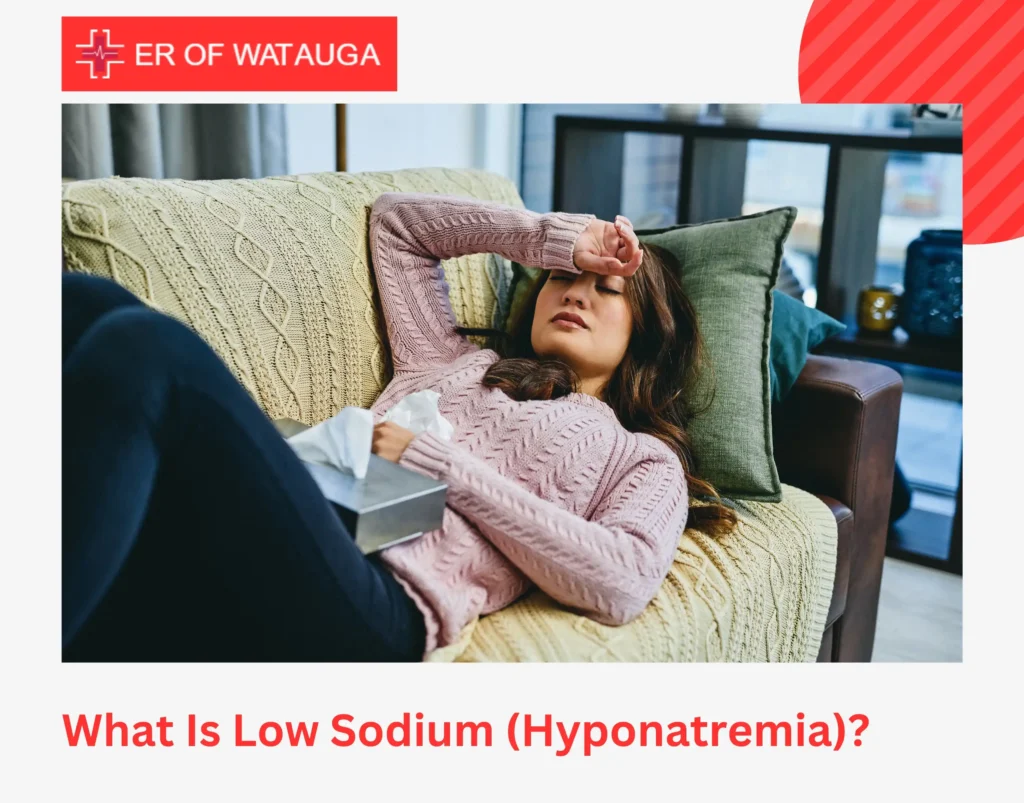
Sodium is a vital electrolyte that helps your body maintain fluid balance, transmit nerve signals, and support muscle function. Low sodium, or hyponatremia, is a condition in which the sodium level in your blood drops below normal, typically below 135 mEq/L.
What Happens When Sodium Levels Drop
When sodium levels fall outside the normal range, here’s what happens:
- The brain starts to swell, and this swelling can cause headaches, confusion, or seizures.
- Muscles may cramp or weaken, making movement more challenging.
- Nerves slow, leading to dizziness, fatigue, or irritability.
- Severe drops in sodium can become life-threatening.
Low Sodium Symptoms: From Mild to Severe
The signs of hyponatremia range from mild fatigue to serious complications.
Early Low Sodium Symptoms
Mild hyponatremia can be subtle, so it’s essential to recognize the signs before they escalate. Common early symptoms include:
- Headaches – often persistent and dull. This happens because low sodium causes the brain to swell slightly, increasing pressure inside the skull.
- Lightheadedness or dizziness – especially when standing up quickly
- Nausea or vomiting – feeling queasy without another apparent cause
- Fatigue or weakness – unexplained tiredness or low energy. This happens because sodium plays a key role in nerve communication. During hyponatremia, the brain and muscles become less responsive.
- Irritability or mood changes – feeling unusually anxious, restless, or moody
- Difficulty concentrating – trouble focusing or thinking clearly
Many people mistake these early signs for fatigue, dehydration, or general weakness.
Moderate Low Sodium Symptoms
When sodium levels drop further, the body and brain start to struggle, and symptoms can escalate quickly. Watch for the following signs:
- Muscle cramps, weakness, or tremors – loss of strength or shaking
- Confusion or disorientation – trouble thinking or forgetfulness
- Severe headache – intense, persistent pain that doesn’t improve with rest
- Nausea and persistent vomiting – inability to keep fluids down
Severe Low Sodium Symptoms
At this point, sodium levels are dangerously low, and the brain begins to swell more rapidly, which may lead to:
- Seizures – Extremely low sodium disrupts electrical activity in the brain, triggering seizures. Seizures can be generalized (full-body shaking) or focal (affecting one part of the body).
- Fainting or coma – If untreated, sodium levels can fall to the point where the brain stops functioning normally. This may lead to fainting or coma
- Respiratory Arrest – In extremely severe cases, the brain loses control over breathing muscles. It’s rare but life-threatening.
Common Causes of Low Sodium
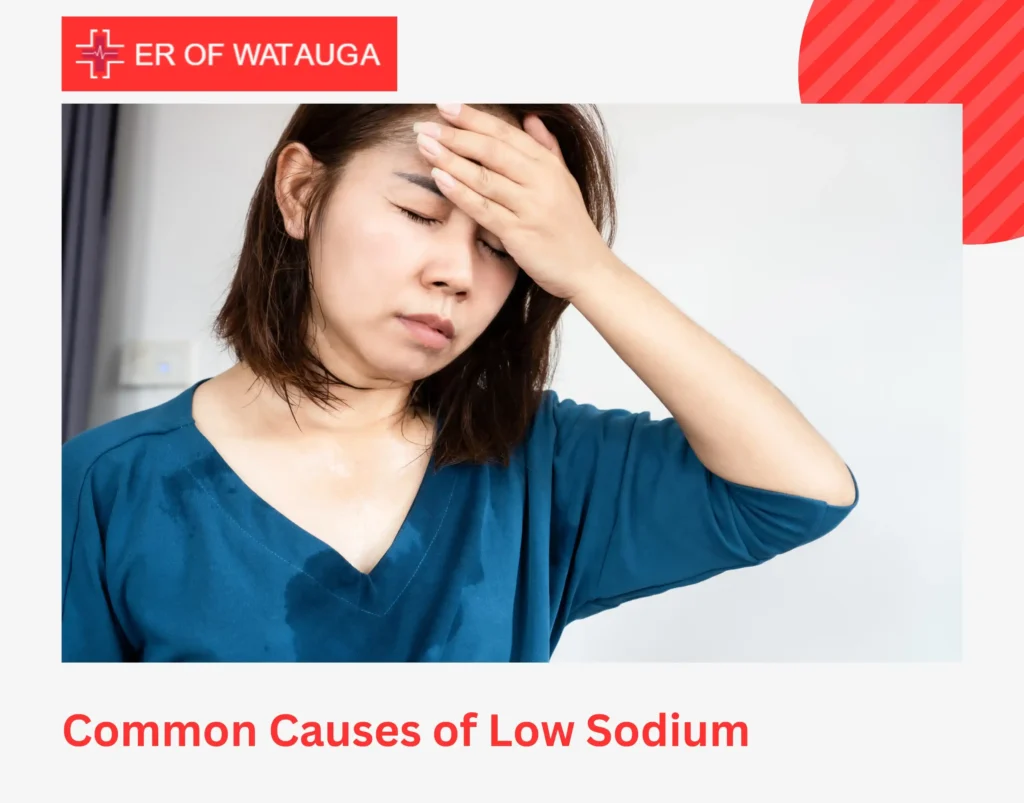
Many everyday situations and medical conditions can push your sodium levels outside the safe range. Understanding these causes can help you prevent complications and recognize risks early.
- Excessive Sweating or Intense Exercise: Heavy sweating during exercise or outdoor activities can lead to sodium loss. Without proper electrolyte replacement, this can result in mild to severe hyponatremia.
- Drinking Too Much Water: Overhydration dilutes sodium in the blood. Athletes, people on extreme detox regimens, or those consuming large amounts of water quickly are at higher risk.
- Vomiting, Diarrhea, or Illness: Gastrointestinal issues can cause rapid loss of sodium and fluids, leading to electrolyte imbalances if not replaced promptly.
- Medications (Diuretics, Antidepressants, Pain Medicines): These medications increase sodium loss or affect your body’s electrolyte regulation.
- Kidney or Liver Disorders: Conditions affecting the kidneys or liver can prevent the body from maintaining normal sodium levels, causing chronic hyponatremia.
- Hormonal Imbalances: Low levels of hormones like aldosterone or cortisol (as in Addison’s disease) can reduce sodium retention, increasing the risk of hyponatremia.
- Heart Failure or Congestive Conditions: Fluid buildup from heart failure can dilute blood sodium if untreated.
How Doctors Diagnose and Treat Low Sodium
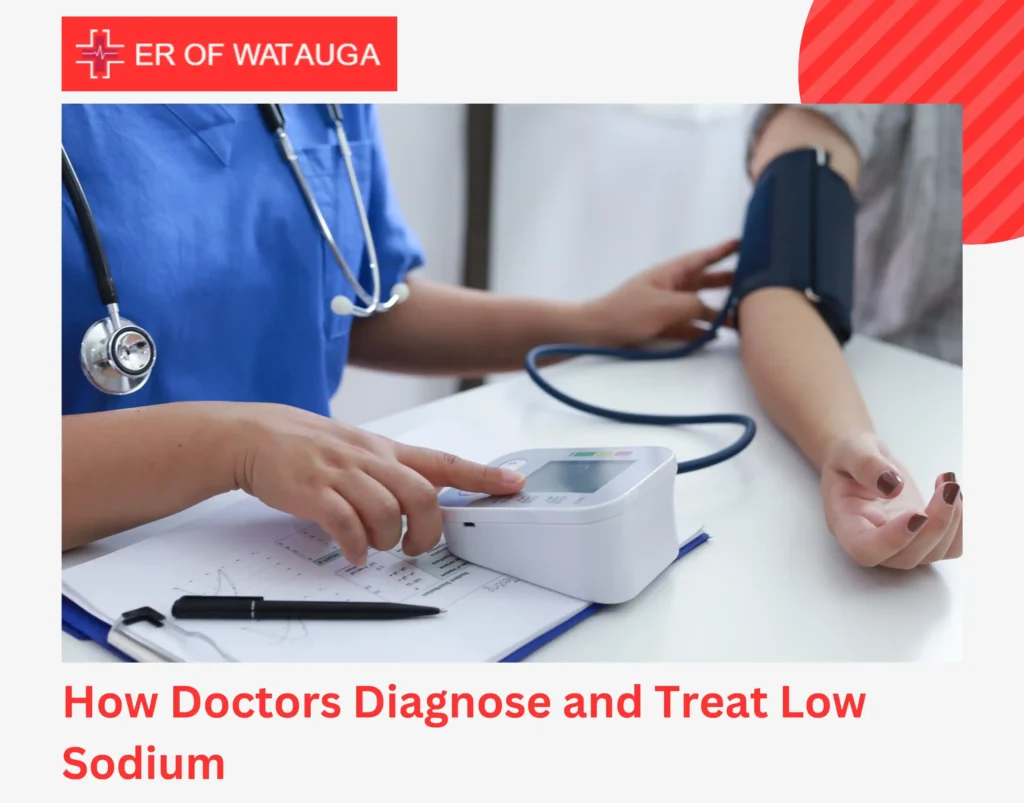
In the ER, rapid diagnosis and treatment of low sodium are critical to prevent serious complications. Doctors focus on identifying the cause, assessing severity, and stabilizing the patient quickly.
Blood Tests and Electrolyte Panels
- Blood tests measure sodium levels and other electrolytes to determine the severity of hyponatremia.
- Additional labs may check kidney, liver, and hormone function to identify underlying causes.
- Rapid testing helps doctors decide the safest treatment plan.
IV Fluids or Electrolyte Correction
- For moderate to severe hyponatremia, IV fluids with controlled sodium levels help restore balance.
- The rate of sodium correction is carefully monitored to prevent complications like brain swelling or central pontine myelinolysis.
- Electrolytes may also be supplemented orally or through IV, depending on patient needs.
Medications for Severe Brain Symptoms
- In cases where low sodium affects the brain, medications such as hypertonic saline or vasopressin receptor antagonists may be used.
- These treatments help reduce brain swelling, prevent seizures, and stabilize neurological function.
- Continuous monitoring in the ER ensures rapid response to changes in condition.
Final Thoughts
Recognizing the warning signs can help prevent serious complications. If you notice early low sodium symptoms like persistent nausea, muscle cramps, confusion, or seizures, seek immediate care at Watauga ER.
We provide 24/7 emergency care, including rapid testing, IV fluids, and expert treatment to stabilize sodium levels safely.