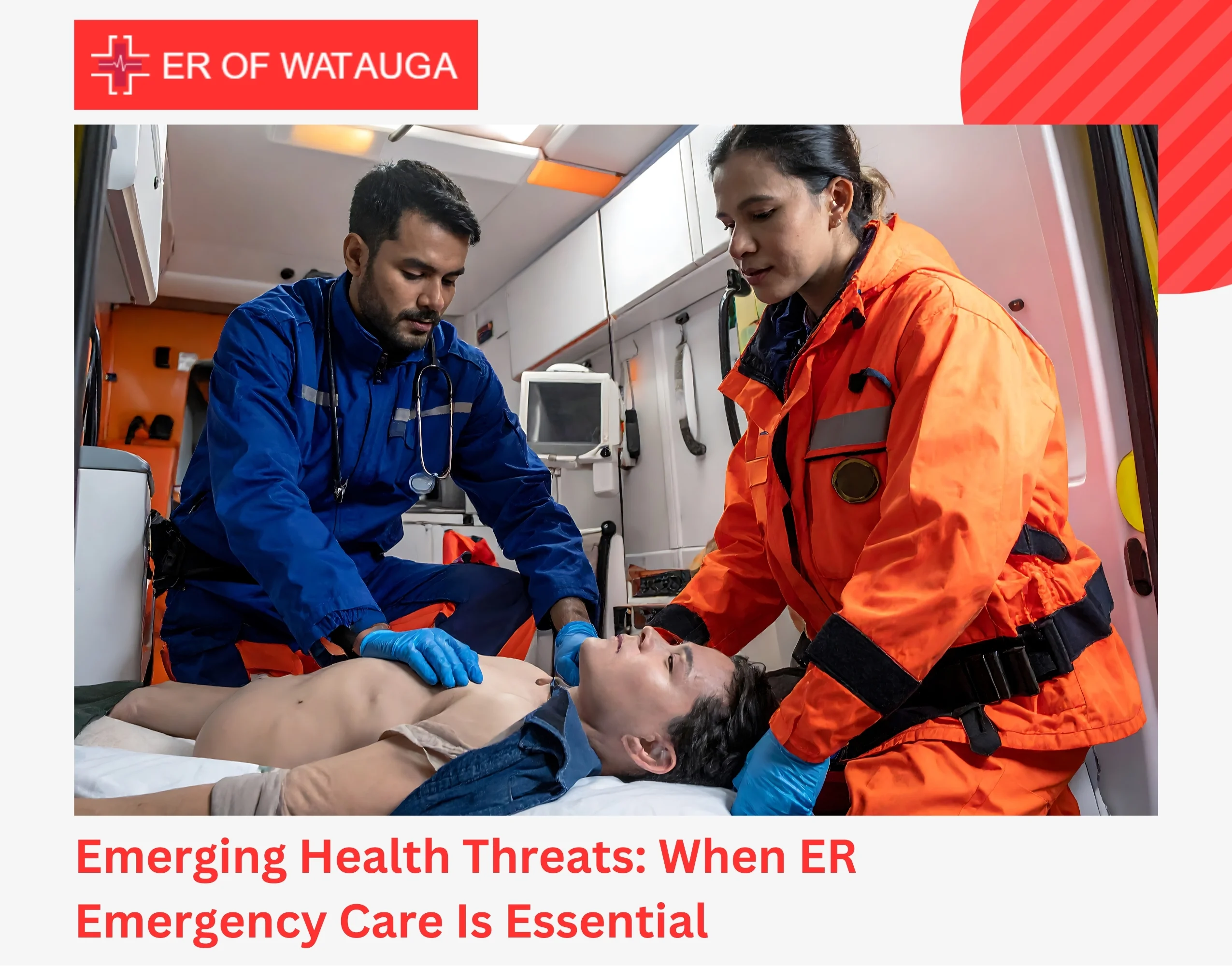
The threat landscape has shifted. Avian influenza is circulating in US dairy herds. Measles, a disease once considered eliminated, caused multiple deaths in 2025. Dengue fever is breaking records across Latin America. And antibiotic-resistant bacteria continue to complicate routine infections.
These new health threats are reshaping how emergency departments prepare for and respond to infectious diseases. This guide covers the emerging health threats most likely to affect patients in 2026, the symptoms that signal escalation, and when ER care becomes necessary.
What Are Emerging Health Threats?
Emerging health threats are diseases or conditions that meets one or more of these criteria:
- Newly identified or rapidly increasing in incidence
- Spread quickly across communities or borders
- Cause severe illness, complications, or death
- Lack widespread immunity or established treatments
Some threats are genuinely new. Others are old diseases re-emerging due to declining vaccination rates, climate shifts, or mutations that evade existing immunity. Both categories demand attention because healthcare systems may not be fully prepared to handle surges.
Emerging Health Threats to Watch in 2026
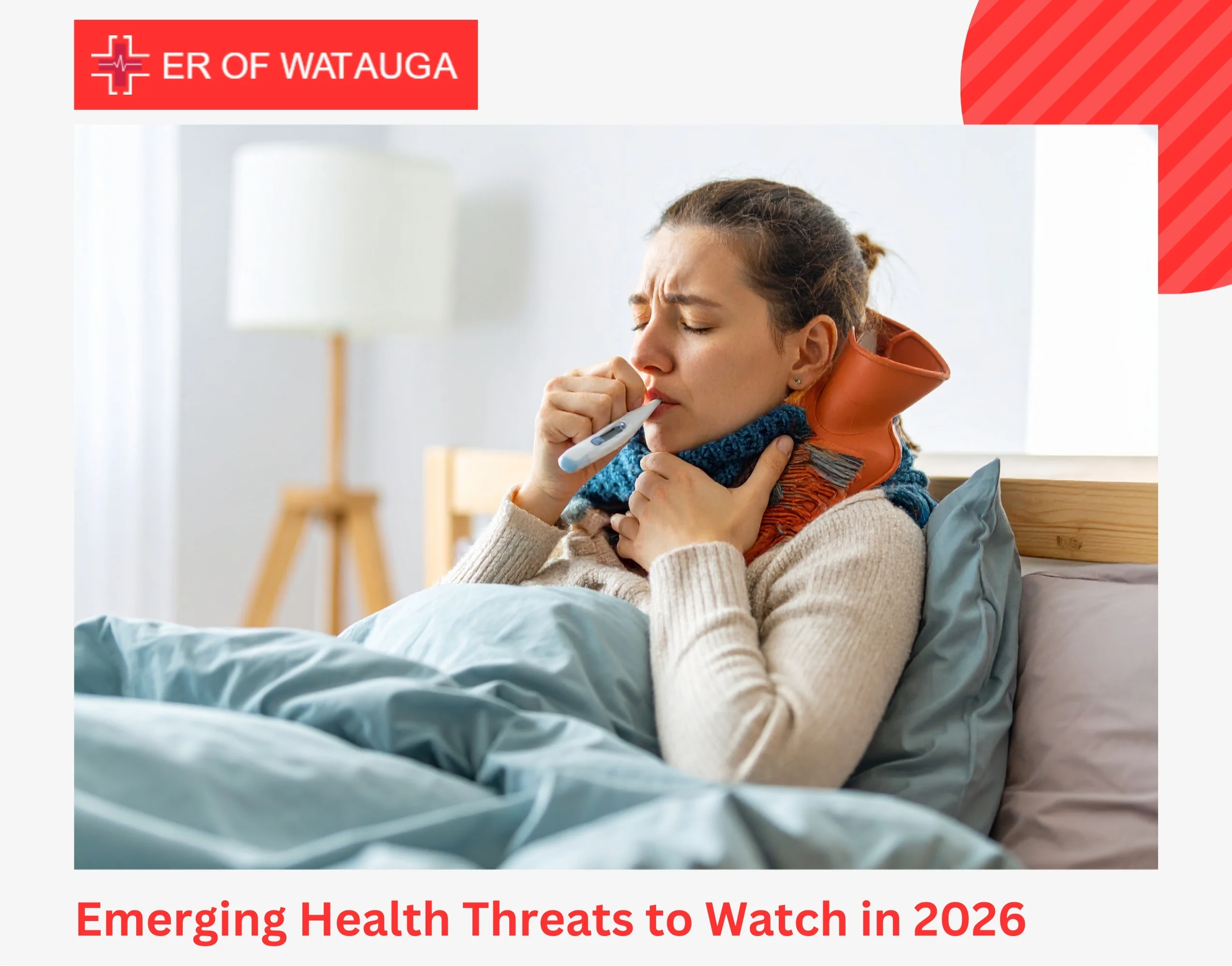
The following categories represent the most significant infectious diseases and public health concerns currently affecting, or poised to affect, communities in the US and globally.
1. Novel and Mutating Respiratory Viruses
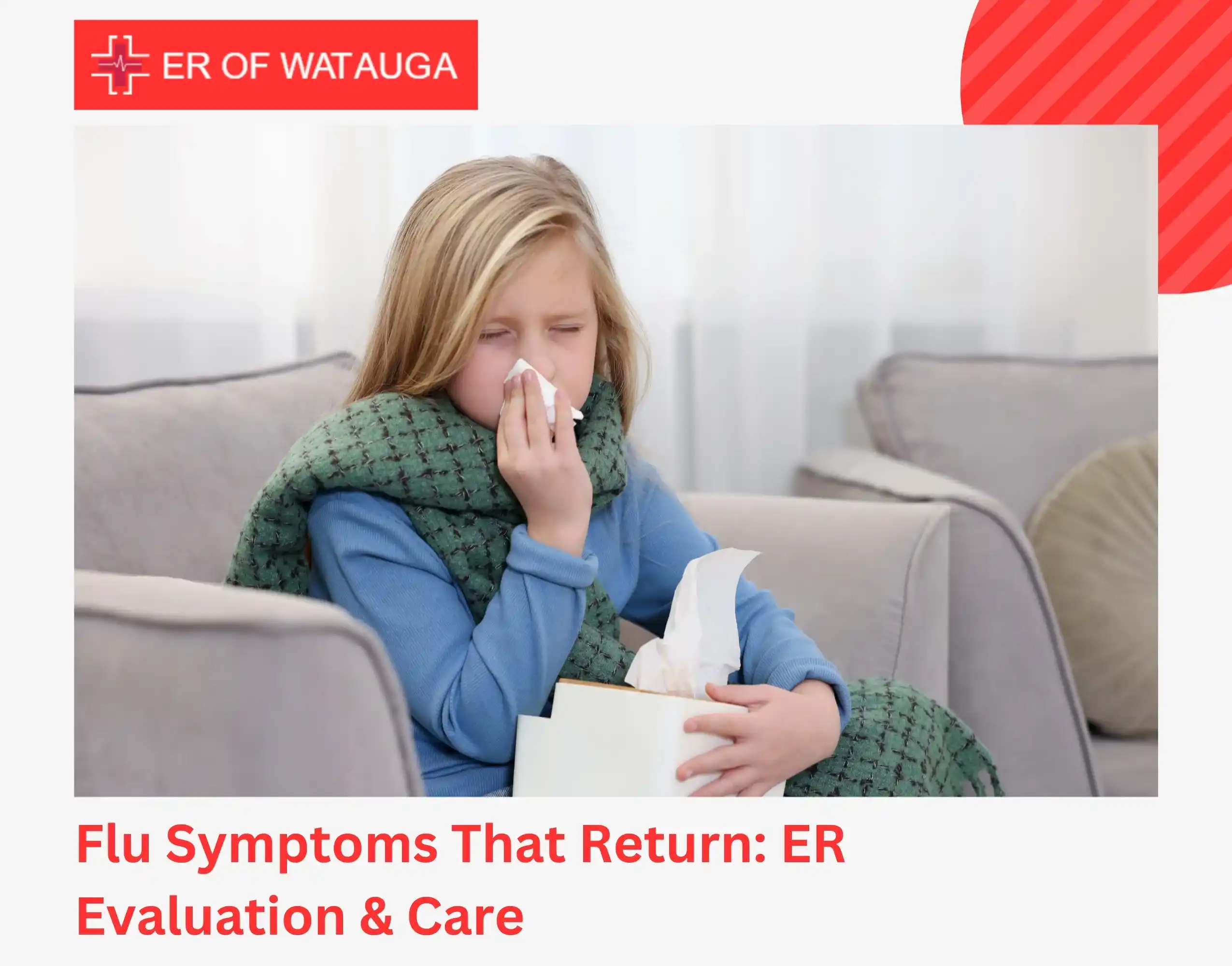
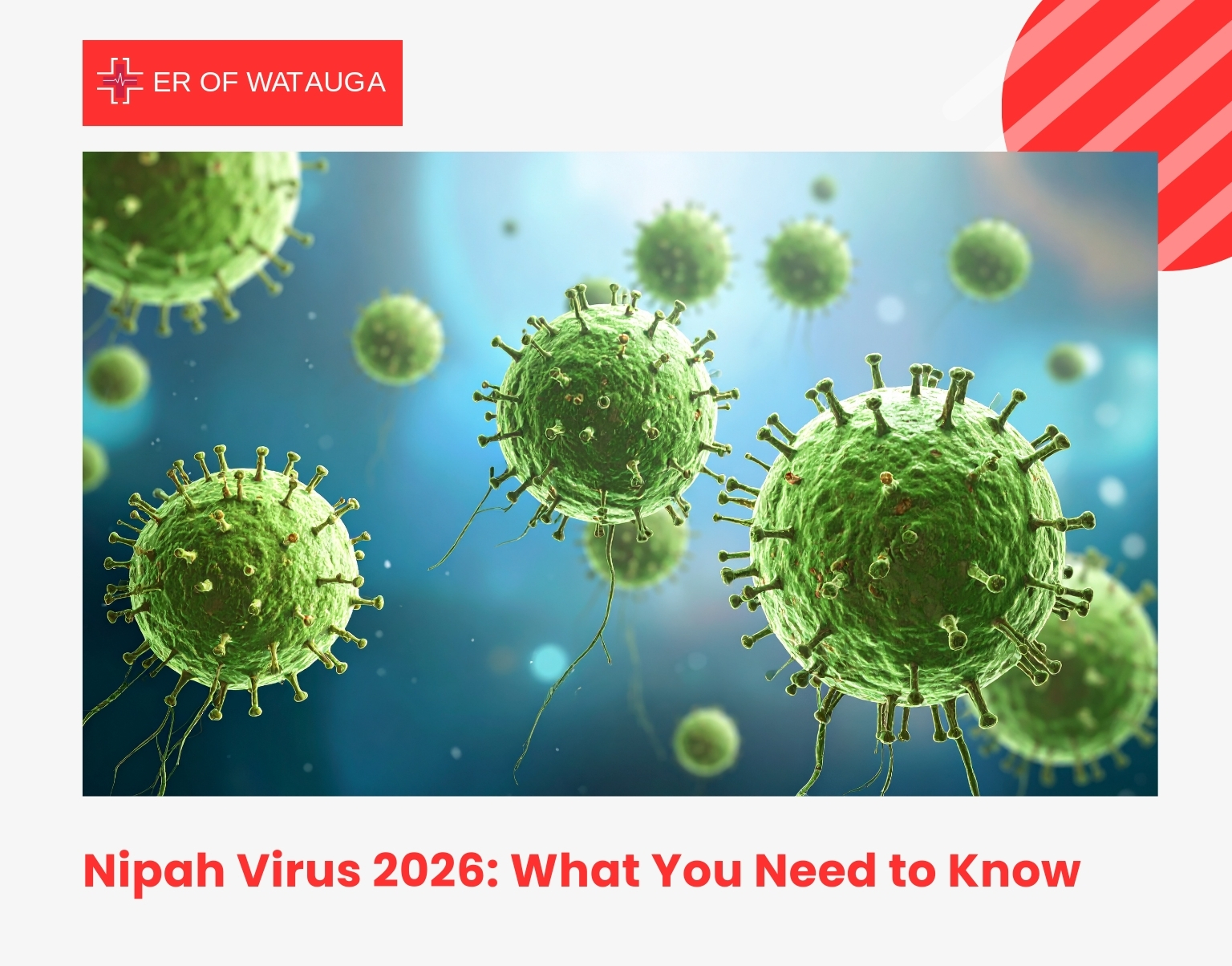
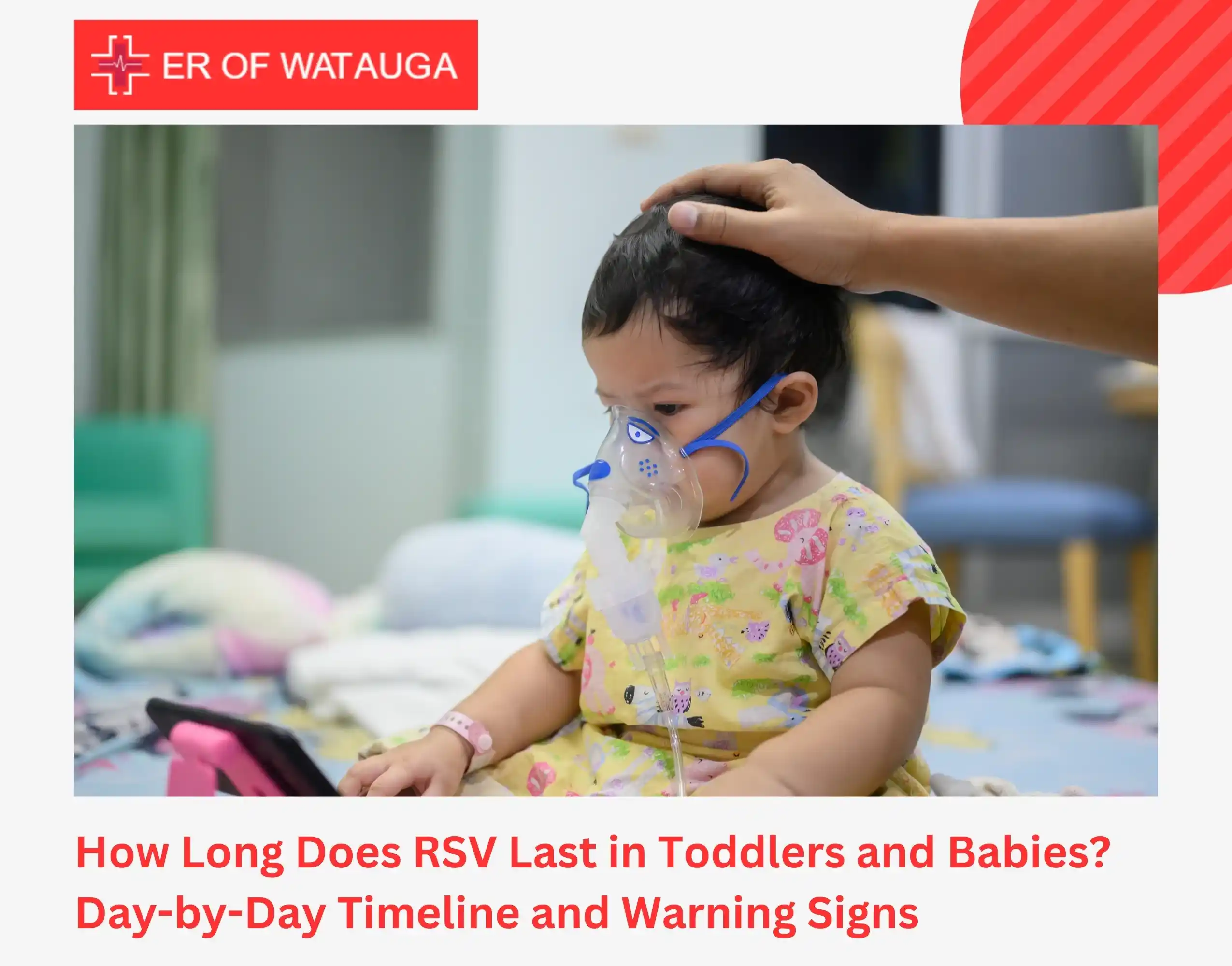
Viruses such as COVID-19 variants, avian influenza strains (H5N1), and respiratory syncytial virus (RSV) surges continue to pose serious risks, especially to older adults, children, and those with underlying conditions.
Severe cases may lead to:
- Difficulty breathing
- Low oxygen levels
- Pneumonia
- Respiratory failure
These complications often require urgent ER care and advanced respiratory support.
2. Vaccine-Preventable Disease Resurgence
Declining vaccination rates, driven by hesitancy, misinformation, and pandemic-related disruptions, have allowed once-controlled diseases to return.
- Measles: The US recorded three measles deaths last year, the highest single-year total this century. Outbreaks have occurred in Texas, South Carolina, and other states with lower vaccination coverage. Measles spreads aggressively; one infected person can transmit to 12–18 others in an unvaccinated population.
- Pertussis (Whooping Cough): Large outbreaks emerged in the US, Japan, the UK, and Australia throughout 2025. In infants too young to be fully vaccinated, pertussis can cause life-threatening respiratory distress.
These diseases aren’t historical footnotes. They’re active threats capable of overwhelming pediatric emergency departments during outbreaks.
3. Climate-Driven Vector-Borne Diseases
Warming temperatures have expanded the geographic range of mosquitoes and ticks, bringing tropical diseases to regions previously unaffected.
- Dengue Fever: Latin America and the Caribbean recorded record-breaking dengue cases in recent years, with approximately 45 million infections annually. Research attributes roughly one-fifth of cases to climate change. Severe dengue can cause hemorrhagic fever, organ impairment, and shock.
- Chikungunya: Outbreaks have spread across the Americas with significant underreporting, nearly 30% of outbreaks went completely undeclared by health agencies.
- Tick-Borne Diseases: Lyme disease, anaplasmosis, and babesiosis continue expanding northward as tick habitats shift with warming climates.
Travelers returning from affected regions and residents in newly endemic areas face increased exposure risk.
4. Severe Gastrointestinal and Foodborne Illnesses
Outbreaks of foodborne infections such as E. coli, Salmonella, and Listeria continue to cause serious illness. Severe dehydration, bloody diarrhea, high fever, or abdominal pain may indicate complications requiring emergency treatment.
5. Emerging Complications in Chronic Diseases
People with heart disease, asthma, diabetes, or immune disorders face increased risk when exposed to emerging infections. Minor illnesses can quickly escalate into cardiac events, asthma attacks, or metabolic emergencies, all of which require ER care.
6. Antibiotic-Resistant Infections
Drug-resistant bacteria represent a slower-moving but equally dangerous category of emerging health threats. When first-line antibiotics fail, routine infections can become life-threatening.
Key resistant pathogens:
- MRSA (Methicillin-resistant Staphylococcus aureus) — skin infections that can progress to bloodstream infections
- CRE (Carbapenem-resistant Enterobacteriaceae) — gut bacteria resistant to last-resort antibiotics
- Drug-resistant tuberculosis — requires prolonged, complex treatment regimens
Antibiotic resistance complicates wound infections, post-surgical care, and pneumonia treatment. Patients with resistant infections often require IV antibiotics, extended hospitalization, and intensive monitoring.
Emergency Symptoms That Require ER Care
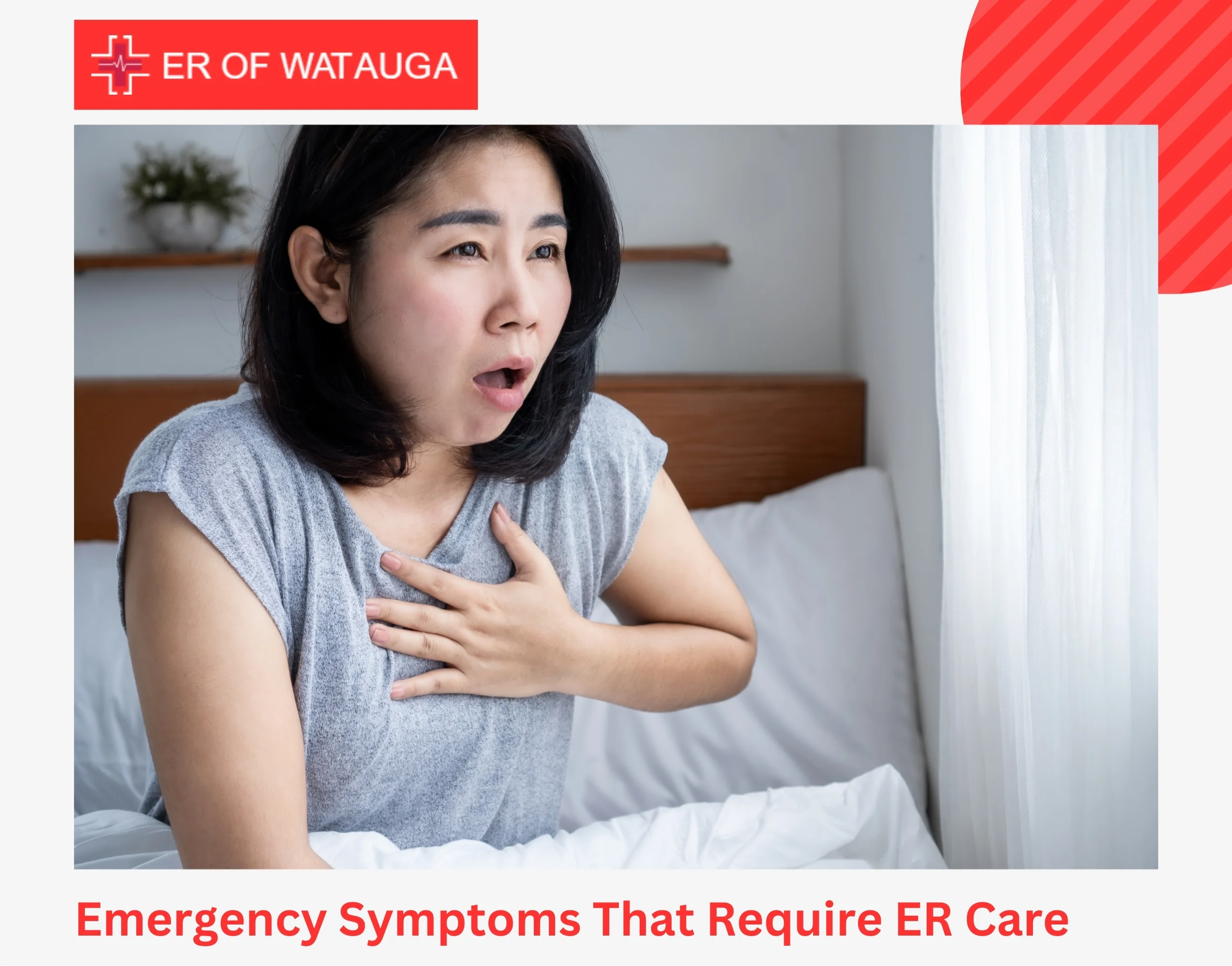
Not every infection needs emergency treatment. But certain symptoms indicate that a condition is progressing beyond what home care or urgent care can manage.
Seek ER care immediately if you experience:
- Difficulty breathing or shortness of breath at rest
- Chest pain or pressure
- Fever above 103°F that doesn’t respond to medication
- Confusion, disorientation, or difficulty staying awake
- Bluish discoloration of lips, fingertips, or skin
- Persistent vomiting or inability to keep fluids down
- Rapid heart rate with chills, sweating, or feeling faint (possible sepsis)
- Severe headache with stiff neck or light sensitivity
- Rash spreading rapidly, especially with fever
These symptoms may indicate respiratory failure, sepsis, meningitis, or other conditions that deteriorate quickly without intervention.
When Infectious Disease Symptoms Escalate
Many infections start mild and stay mild. The concern is when they don’t. Warning signs of escalation include:
- Symptoms that improve, then suddenly worsen
- Fever returning after appearing to resolve
- New symptoms appearing after several days of illness (especially neurological changes or breathing difficulty)
- Inability to eat, drink, or stay hydrated
Trust your instincts. If something feels wrong, especially in young children, elderly adults, or immunocompromised individuals, err on the side of evaluation.
How ERs Respond to Emerging Infections
Emergency departments serve as the front line when new health threats emerge. Unlike primary care or urgent care settings, ERs are equipped to handle severe, rapidly evolving cases.
ER Capabilities Include:
- Advanced monitoring of heart rate, oxygen levels, and blood pressure
- Rapid imaging (X-ray, CT scan)
- On-site laboratory testing
- IV medications, fluids, and oxygen therapy
- Early treatment for sepsis, respiratory failure, and shock
When infections progress to organ dysfunction, shock, or respiratory failure, ER intervention can be the difference between recovery and permanent harm.
Protecting Yourself From Emerging Health Threats
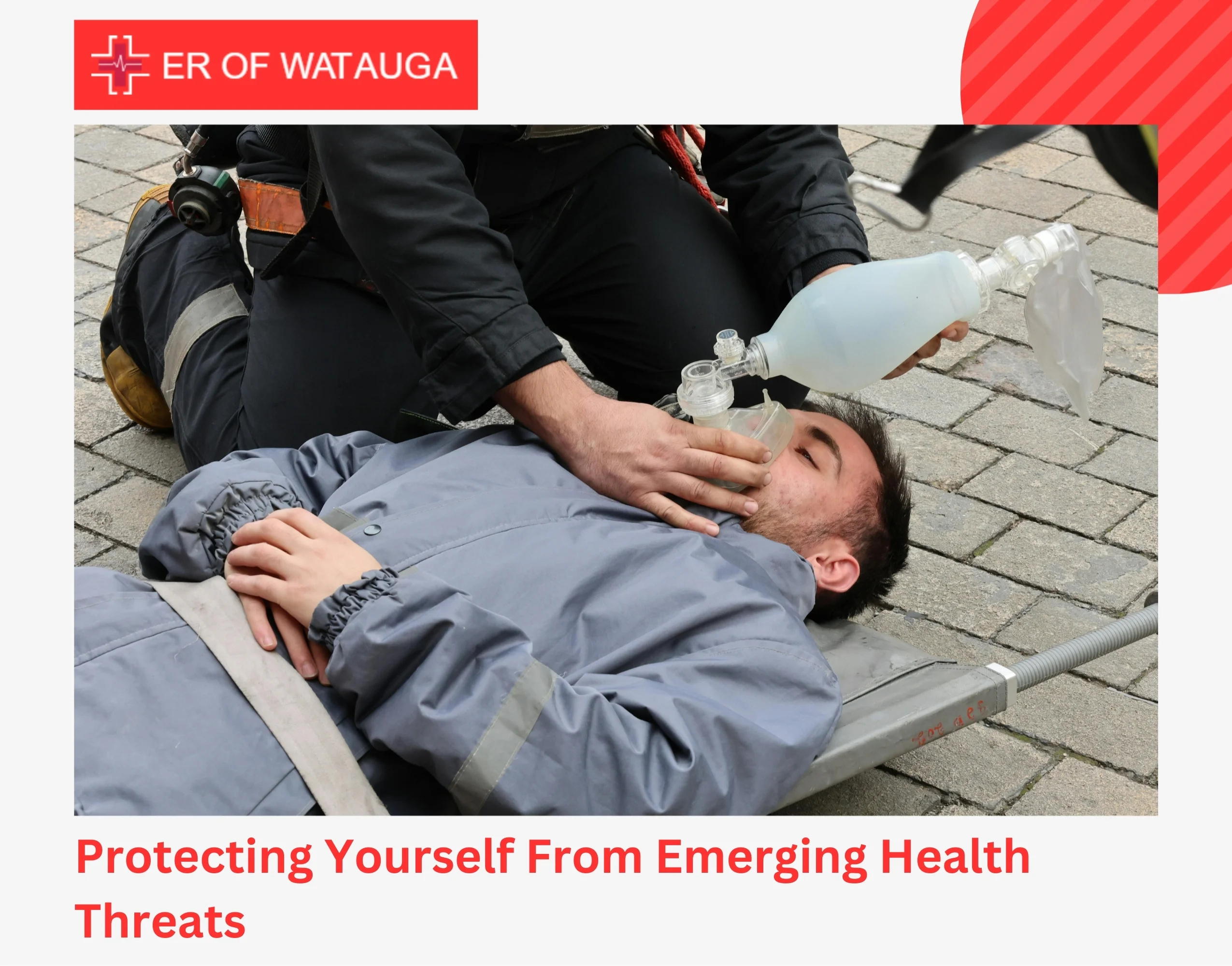
Prevention remains the most effective strategy. While not every threat is avoidable, these measures reduce risk:
- Stay current on vaccinations. Flu shots, COVID-19 boosters, and routine immunizations (MMR, Tdap) protect against preventable diseases and reduce severity if infection occurs.
- Practice good hygiene. Handwashing, avoiding face-touching, and covering coughs limit transmission of respiratory and gastrointestinal infections.
- Manage chronic conditions. People with diabetes, heart disease, asthma, or immune disorders face higher risk of complications. Keeping conditions well-controlled improves resilience.
- Take travel precautions. Research disease risks at your destination. Use insect repellent in areas with mosquito- or tick-borne illness. Seek travel health consultation for high-risk regions.
- Seek care early when symptoms concern you. Delaying evaluation allows infections to progress. Early treatment, especially with antivirals for flu or H5N1, can reduce severity and duration.
Key Takeaway
Emerging health threats aren’t abstract. Measles is killing unvaccinated children. Dengue is expanding its range. And antibiotic resistance is making common infections harder to treat.
Most people who encounter these diseases will recover without complications. But for those who don’t, particularly the very young, the elderly, and the immunocompromised, timely ER care can prevent a manageable illness from becoming a medical crisis.
Watauga ER monitors emerging infectious diseases closely and maintains the diagnostic and treatment capabilities to respond when patients need rapid evaluation. If symptoms are severe, sudden, or worsening, seeking emergency care is the right call.
FAQs About Emerging Health Threats
1. What qualifies as an emerging health threat?
Emerging health threats include new or rapidly spreading diseases that pose serious health risks, especially those lacking established treatments.
2. Can emerging infections become life-threatening quickly?
Yes. Some infections progress rapidly to respiratory failure, sepsis, or organ damage, making early ER care essential.
3. Who is most vulnerable to emerging health threats?
Older adults, young children, pregnant individuals, and people with chronic or immune conditions face higher risk.
4. Should I go to the ER for fever alone?
A mild fever may not require ER care, but high fever with breathing difficulty, confusion, or severe pain should be evaluated immediately.
5. Can I protect myself from emerging health threats?
Yes. Staying current on vaccinations, practicing good hygiene, managing chronic conditions, taking travel precautions, and seeking care early when symptoms concern you all reduce risk and improve outcomes if infection occurs.