
Frequently Asked Questions
What indicators of a heart attack should I be aware of?
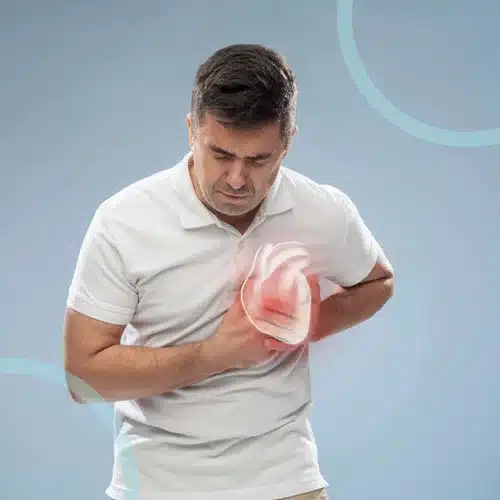
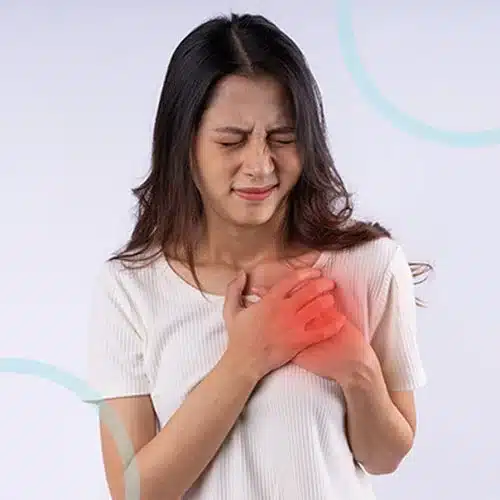
Telltale signs of a Heart Attack Keller are a squeezing sensation in the chest, numbness in shoulders and arms of back or neck, shortness of breath, nausea, and light-headiness. In the case of mental health issues, emergencies are best handled by promptly seeking medical assistance if you or a colleague has any of these symptoms.
If I fear I'm having a heart attack, how quickly should I seek help?
Time is a heart attack’s top enemy, thus immediate action should be taken. Should you think you are experiencing an attack or someone else you know is having a heart attack, call emergency services. The impact of early treatment on heart improvement is high because heart damage can be minimized as a result.
What kind of treatment can I expect for a heart attack at Watauga's ER?
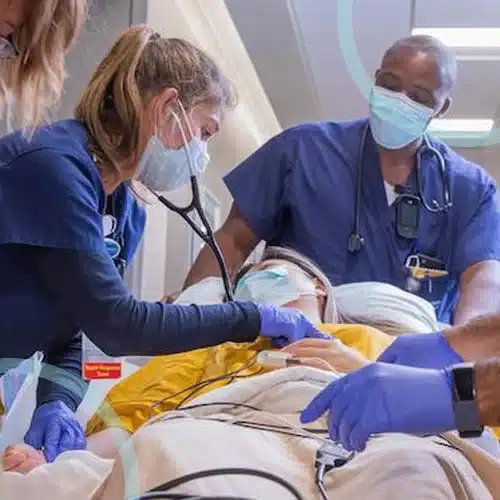
Patients going through a Heart Attack Keller can expect prompt, hi-tech evaluations of the heart condition which will be immediately followed by a course of treatments chosen from a wide array of options that include medication, catheter procedures, or definitive surgeries. These will be selected depending on an exact diagnosis of the heart disease and the unique needs of the patient.
Can a heart attack be prevented?
Although some heart diseases cannot be avoided, many risk factors can be managed through the choices of lifestyles and medications. One of them involves blood pressure control, how to control cholesterol, sugar balance, staying thin, smoking cessation, and physical activity.
What services does Watauga's emergency room provide following a heart attack?
Our ER provides complete care starting from the post-cardiac attack period to the planning of the ongoing one for the future as well as lifestyle modification support and personalized rehabilitation programs to prevent heart attacks in the future.