
Capability | Freestanding ER | Urgent Care |
Availability | 24/7/365 | Daytime hours, closes nights/holidays |
Doctors | Emergency medicine specialists | General practice or midlevel providers |
Nurses | Emergency-certified RNs | Medical assistants or LPNs |
CT Scans | Immediate access on-site | Unavailable |
Ultrasound | Available including heart imaging | Usually none |
Lab Work | Comprehensive including heart markers | Limited basic panels |
IV Drugs | Full emergency medications | Minimal to none |
Heart Monitoring | Continuous ECG tracking | Basic ECG only |
Broken Bones | Realignment, casting, surgery referral | Simple splints only |
Critical Illness | Full treatment capability | Must transfer out |
Hospital Transfer | Physician-to-physician coordination | Calls 911 |
Freestanding ER vs Urgent Care: Which One Can Treat You?
Most people judge freestanding ER vs urgent care by location and wait times. That’s a mistake. The real difference is what each facility can actually do for you.
Urgent care works for predictable problems with simple solutions during business hours. Freestanding emergency rooms handle everything else; the serious conditions, the uncertain symptoms, the situations where guessing wrong means worse outcomes.
Equipment, staff credentials, and treatment capabilities separate these options. Here’s what you need to know before symptoms force a rushed decision.

What Is Urgent Care?
Urgent care centers handle straightforward medical problems that don’t require a doctor’s appointment but also don’t threaten your health. Think of them as enhanced walk-in clinics.
Operating model:
- + Roughly 12-hour days
- + Some weekend coverage
- + Holidays bring closures
- + Staffing through family physicians, PAs, or nurse practitioners
The urgent care model works for:
- + Predictable, stable conditions
- + Symptoms that stay mild
- + Situations where basic testing suffices
- + Times when waiting creates no additional risk
What Is a Freestanding Emergency Room?
Freestanding ERs are licensed emergency departments meeting identical regulatory standards as hospital emergency rooms. The difference: they operate outside hospital buildings.
That independence eliminates hospital ER problems like hours-long waits and chaotic environments, while maintaining full emergency capabilities for critical conditions.
What freestanding ERs provide:
- + Board-certified emergency physicians around the clock
- + CT scanners, ultrasound, X-ray on-site
- + Complete lab services including heart attack detection
- + IV medication delivery and life support equipment
- + Nurses with emergency training
- + Direct hospital coordination when surgery or admission is needed
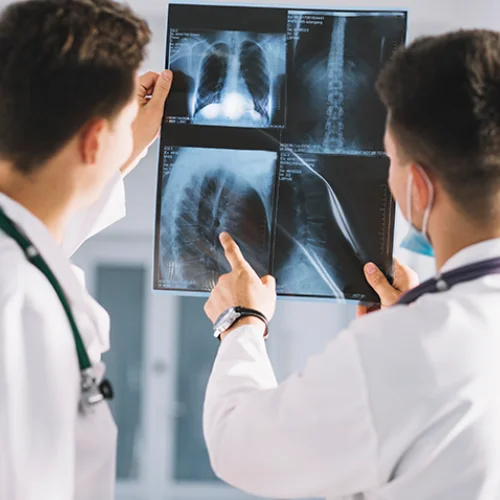
Freestanding ER vs Urgent Care: At a Glance
When Urgent Care Makes Sense
Urgent care handles a specific category: stable conditions with straightforward treatment paths. Minor infections respond to oral medications. Simple cuts need basic stitches. Mild sprains get wrapped and sent home.
Urgent care appropriate for: sore throats, ear infections, small wounds needing simple closure, minor sprains, low fevers, modest burns, limited rashes, common colds.
When choosing an urgent care center, your condition must be mild, stable, and unlikely to worsen. The moment any of those change, emergency care becomes the right answer.

What Requires Emergency Care
Certain symptoms demand emergency room evaluation immediately. These signal conditions where delays worsen outcomes:

Heart Problems
+ Chest pressure or squeezing
+ Pain moving to jaw, shoulder, or arm
+ Chest discomfort plus breathing trouble
+ Irregular heartbeat with weakness or dizziness

Injuries
+ Head injury plus confusion or throwing up
+ Deep cuts bleeding heavily
+ Broken arm, leg, or ribs
+ Bad burns
+ Eye damage

Breathing Emergencies
+ Can’t catch your breath
+ Asthma attack your inhaler won’t stop
+ Something blocking your airway
+ Chest hurts when you breathe
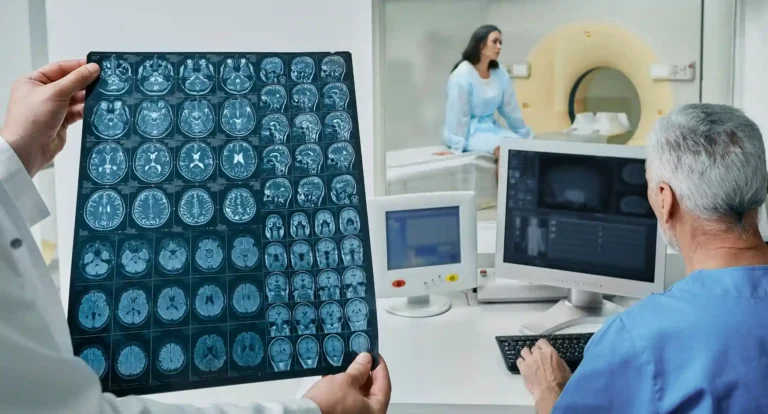
Brain and Nerve Emergencies
Stroke signs: drooping face, weak arm, unclear speech
+ Worst headache of your life
+ Sudden mental confusion
+ Passing out
+ Seizure activity
+ Vision suddenly changes

Stomach Emergencies
+ Severe belly pain
+ Stomach pain with vomiting
+ Pain in lower right side with fever (appendicitis warning)
+ Kidney stone symptoms
+ Blood in vomit or stool
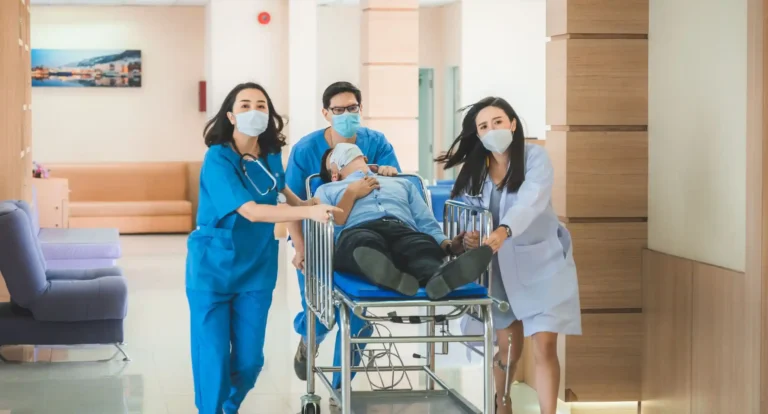
Other Serious Conditions
+ Fever over 103°F with confusion
+ Can’t keep any fluids down
+ Throat swelling shut, can’t breathe (allergic reaction)
+ Bleeding won’t stop
+ Swallowed poison or too much medication
Which Facility to Choose When You're Uncertain
Some situations don’t announce themselves clearly. When you’re unsure if emergency care is necessary, these factors suggest the ER:
- + Symptoms hit hard and fast
- + Getting worse instead of better
- + Pain crosses from bad to unbearable
- + Your gut says this is serious
- + Two problems at once (fever and chest pain, headache and vision trouble)
- + It’s 2 AM and urgent care is closed
Trust your instincts. People who seek emergency care for false alarms feel relieved. People who ignore serious symptoms feel regret.
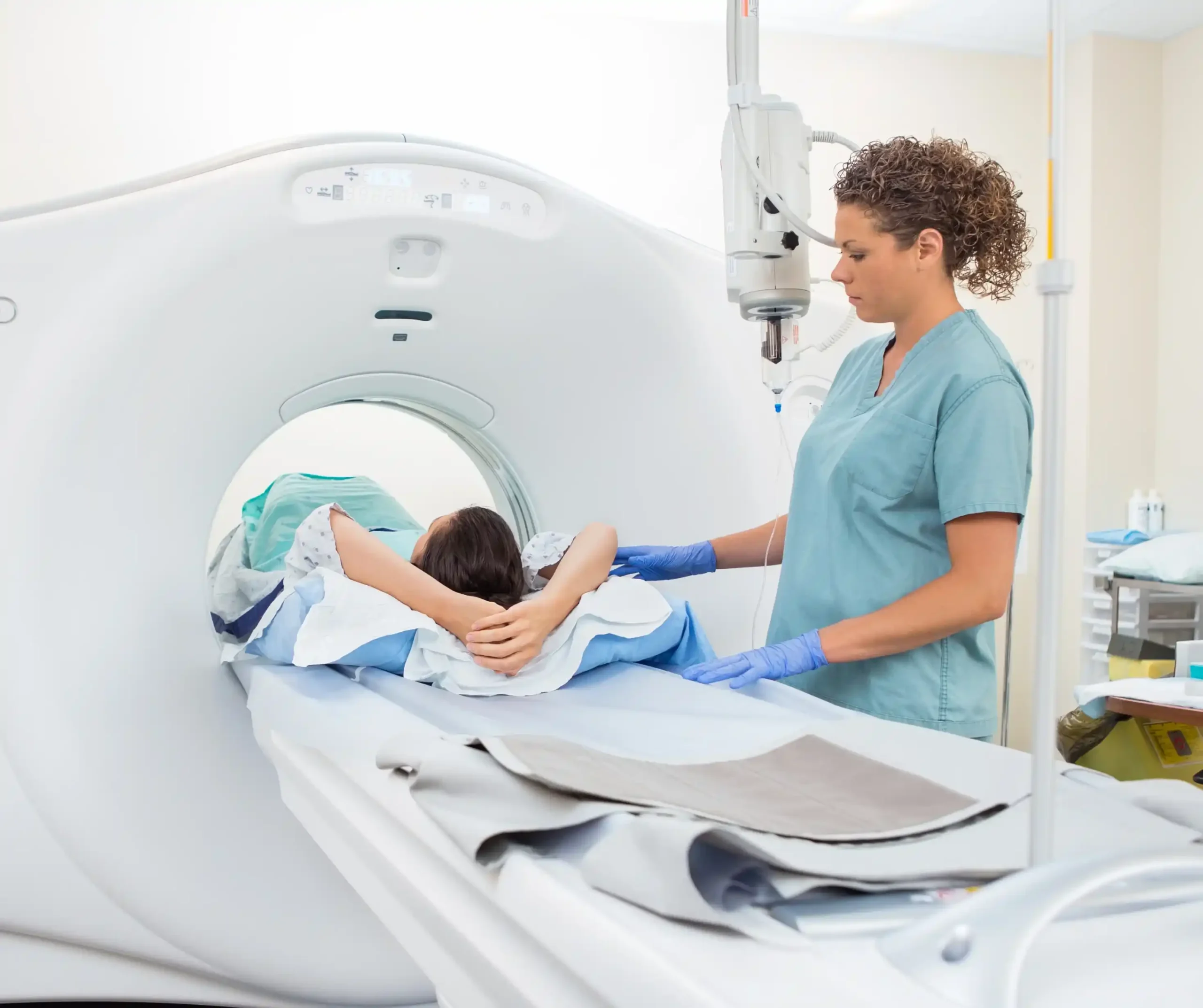
Diagnostic Capabilities of Freestanding ER vs Urgent Care
What a facility can discover about your condition matters as much as where you go. Equipment gaps create diagnostic gaps.

Urgent Care Limitations
+ Basic X-rays (no CT scanner)
+ Simple lab tests (usually sent out)
+ No heart attack blood tests
+ No ultrasound
+ Cannot find blood clots, internal bleeding, organ problems
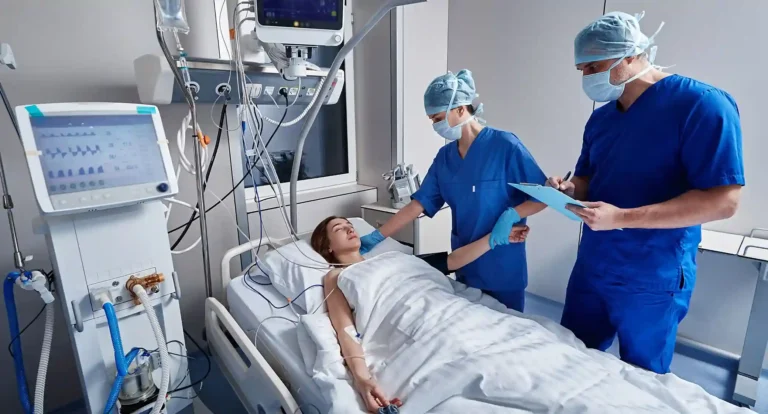
Emergency Room Capabilities
CT scans find:
+ Brain bleeding & strokes
+ Blood clots in lungs
+ Appendicitis
+ Kidney stones
+ Internal injuries
Ultrasound shows:
+ Gallbladder disease
+ Fluid where it shouldn’t be
+ Heart pumping problems
+ Clots in leg veins
Complete lab panels reveal:
+ Heart attacks (enzyme tests)
+ Dangerous infections
+ Failing organs
+ Chemical imbalances in blood
These tools don’t just confirm what doctors suspect. They catch problems that look harmless at first.
What Happens When Urgent Care Can't Help
Urgent care seeing something worrisome sends you to the emergency room. That creates predictable problems:
- Time disappears: Getting to the ER takes time
- Starting over: Emergency doctors don’t have urgent care’s notes
- Information vanishes: Test results rarely transfer
- Stress multiplies: You realize this is worse than you thought
- Bills double: Two facilities both charge you
Heart attacks, strokes, and systemic infections all get worse with time. These delays hurt outcomes.
Treatment Differences Between ER and Urgent Care
Diagnosis matters, but what happens after diagnosis matters more:
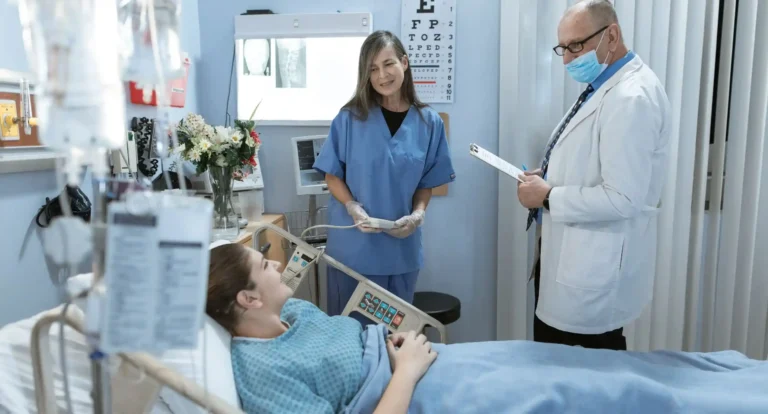
Emergency rooms deliver:
+ IV medications working in minutes
+ IV fluids for dehydration or shock
+ Heart drugs for cardiac emergencies
+ Powerful IV antibiotics
+ IV pain control for severe pain
+ Breathing treatments under monitoring
+ Blood transfusions
+ Setting broken bones before casting
+ Repairing deep wounds
+ Full life support

Urgent care provides:
+ Oral medications & limited IV options
+ Basic stitches
+ Simple splints
+ Elementary breathing treatments
When treatment requires emergency IV medications or advanced procedures, urgent care reaches its limit.
The Cost Question
Urgent care costs less for truly minor problems. Strep throat, simple cuts, ankle sprains, and routine illnesses—these stay cheaper at urgent care. But wrong choices cost more. Show up at urgent care with chest pain, serious abdominal issues, or breathing problems, and they’ll send you to the ER anyway.
Now you’ve paid urgent care, you’re paying the ER, and treatment got delayed. Going straight to the ER means:
+ One bill
+ Immediate care
+ No wasted time
+ Better results
Real emergencies make the ER the economical choice.

Insurance considerations:
Freestanding ERs accept most major insurance. Urgent care networks can be narrower. Some insurance requires ER pre-authorization, but actual emergencies always get covered. When symptoms are serious or getting worse, never let cost concerns delay care.

When Specialized Care Is Needed
Freestanding emergency rooms stabilize patients before coordinating transfers for conditions needing:
- + Heart catheterization
- + Emergency operations
- + ICU admission
- + Specialized treatment beyond ER scope
Transfers get arranged doctor-to-doctor between facilities. Your records, images, and lab work move with you. The receiving hospital knows your situation before you arrive.
ER of Watauga: Freestanding Emergency Care
ER of Watauga delivers full emergency capabilities without hospital ER bottlenecks. Here’s what that means when you need care:
Emergency-Trained Doctors
Board-certified emergency physicians staff our facility every hour. They completed emergency medicine residency training and maintain current certification. Your evaluation and treatment begin immediately, no matter when you walk in.

Complete Diagnostic Tools
We maintain CT scanning, ultrasound, digital X-ray, comprehensive laboratory testing, ECG capability, and continuous cardiac monitoring on-site. This equipment lets us identify strokes, internal injuries, infections, fractures, and heart problems fast and start treatment without waiting.

Full Treatment Capability
Once we know what’s wrong, treatment starts. We administer IV medications for pain, infections, nausea, and cardiac conditions. We provide IV fluids for dehydration. We deliver oxygen and breathing therapies for respiratory problems. We stabilize fractures. We handle complex wound repairs. Children get age-appropriate emergency care with pediatric equipment.
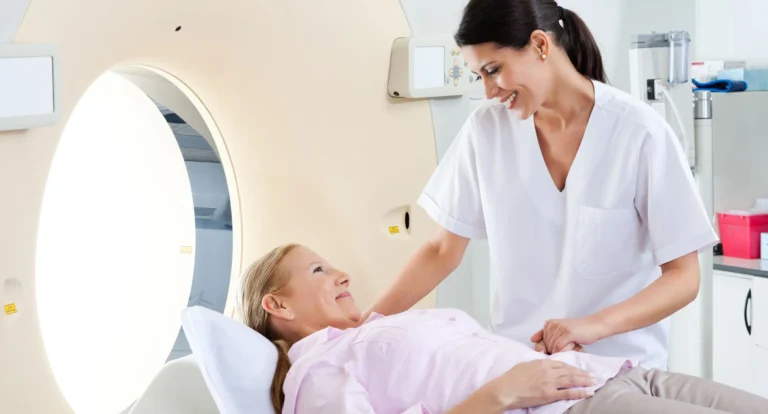
Always Open
ER of Watauga operates 24 hours daily, every day of the year. Nights, weekends, holidays—we’re here. Walk in whenever symptoms develop. No appointment needed.
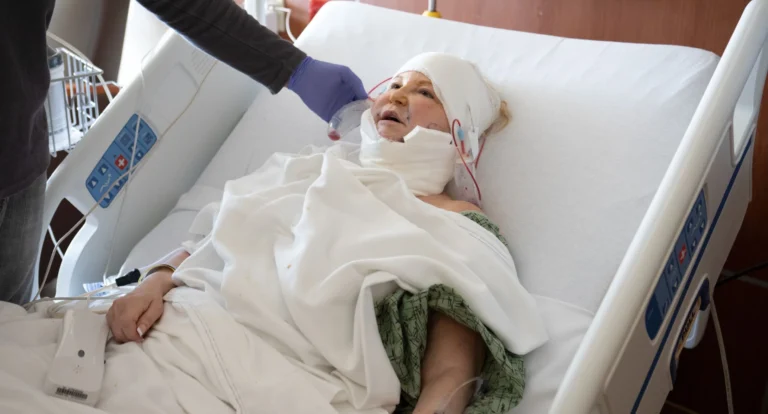
Private Treatment Rooms
Care in the ER happens in private rooms. Our team focuses on you in a clean, modern environment designed to reduce stress during medical crises.

Insurance Accepted
We work with most major insurance carriers. Our no balance billing policy prevents surprise charges after your visit. Uninsured patients receive upfront cost information and flexible payment options
When hospitalization or surgery becomes necessary, we stabilize you and coordinate transfer directly to appropriate hospitals, maintaining smooth care transitions.
Your Health Can't Wait
Understanding freestanding ER vs urgent care isn’t about picking favorites. Both have roles. Urgent care handles minor issues efficiently during business hours. Emergency rooms handle serious conditions every hour of every day.
The question is simple: can the facility actually diagnose and treat your condition?
Chest symptoms need cardiac monitoring and enzyme tests. Stroke signs need CT imaging fast. Serious infections need IV antibiotics. Breathing emergencies need oxygen and advanced airway care.
Emergency rooms have these capabilities. Urgent care doesn’t.
ER of Watauga combines full emergency capability with efficiency and patient-focused care. When your health is at stake, we’re equipped with the right team, technology, and expertise.

Frequently Asked Questions
Is urgent care the same as a freestanding emergency room?
No. Urgent care handles minor problems during limited hours. Freestanding emergency rooms are licensed emergency departments operating 24/7 with the same capabilities as hospital ERs.
Can urgent care treat chest pain or stroke symptoms?
No. Urgent care lacks the equipment to evaluate life-threatening conditions properly. Chest pain, stroke symptoms, serious breathing problems, and similar emergencies require emergency room evaluation with CT imaging, cardiac monitoring, and IV treatment capabilities.
What happens if I go to urgent care but need emergency care?
Urgent care will send you to an emergency room. This delays diagnosis and treatment while increasing costs because you pay both facilities. Starting at an ER when symptoms are serious prevents these delays.
Are freestanding emergency rooms open 24 hours?
Yes. Freestanding emergency rooms operate 24 hours daily, 365 days yearly. Urgent care typically closes at night and on holidays.
Does urgent care have CT scans?
No. Urgent care facilities don’t have CT scanners. This prevents diagnosing strokes, internal bleeding, pulmonary embolism, appendicitis, and many other serious conditions requiring CT imaging.
Will my insurance cover a freestanding emergency room visit?
Most major insurance covers freestanding ER emergency care similar to hospital ER coverage. Check your plan’s network. Never delay emergency care over insurance concerns. True emergencies are covered.
Can a freestanding ER admit me to a hospital if needed?
Freestanding ERs stabilize your condition and coordinate direct transfers to hospitals when admission or specialized care is required. Your medical records and test results transfer with you for continuous care.