
Frequently Asked Questions
How long does it take to perform an EKG at your Hurst facility?
The EKG Hurst hardly lasts two to three minutes. Since it may depend on what kind of test we need and whether the patient has a complex medical history or not, the real-time for the test may vary. The processes of our team are designed such that they should be made seamless and easy for our patients.
Which illness can an EKG diagnose and how do these diagnoses suggest that you have in Hurst?
EKG can provide both extensive and widespread cardiologic conditions because it will primarily show generalized conditions such as a multitude of ectopic beats (arrhythmias), heart attacks (myocardial infarction), valvular disease, and congenital heart diseases.
Is EKG safe, and do there potentially exist any risks associated with the procedure in Hurst?
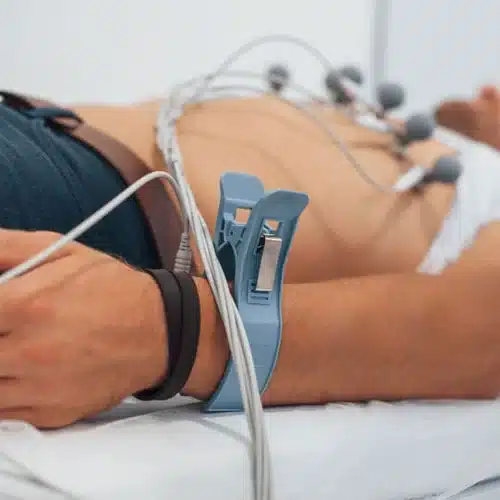
Yes, an EKG is generally considered to be a fit and deeper-less method with minimal risks. The electrodes used for the test do not generate any electrical pulses but they just get and record the heart’s natural electrical signal. But we must also consider people with specific skin conditions or allergies. They might have a slight skin irritation in the electrode sites.
How fast and under which timeframe will I be able to get my EKG results at Hurst?
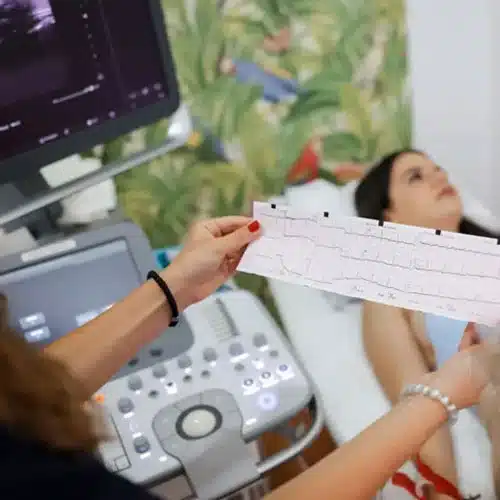
Outcome reporting times for EKG Hurst are usually short and it may be done on the same day of the test. Seasoned caregivers will carry out prompt reviews and interpretation of patients’ EKG readings to guarantee that results are delivered to them without delay. If there is something that the procedure shows, your healthcare provider would need to interpret the results and might recommend further testing or proper treatment based on the results only if they appear abnormal.
Why might I need an EKG in Hurst, TX?
It is the electrical signals that the heart generates and records – the electrocardiogram (EKG) is a non-invasive test. If you have chest pain or emotions such as palpitations, fainting, or heavy breathing while you also possess conditions that put you at risk of developing heart disease – you may need an EKG Hurst.