


Frequently Asked Questions
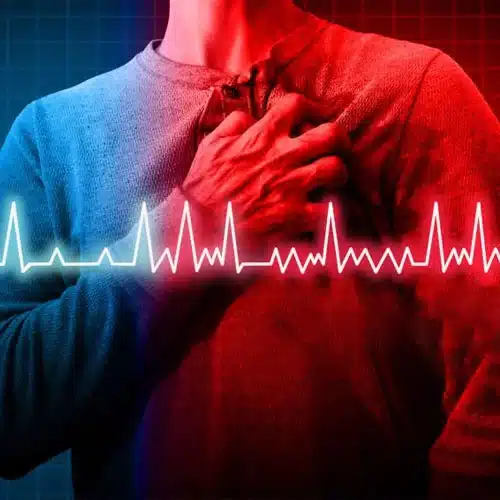
What would I do, if I had an inkling of a heart attack?
When you are not so sure and think someone has a heart attack, it is a must to call for medical help. During that waiting period, it is advisable to come up to a comforting position by sitting or lying down, take aspirin if possible, and relax.
What is the underlying reason why a heart attack occurs?
The heart most often stops when a particular part of the heart receives inadequate blood flow, stemming from a blood clot. The clogging can be attributed to the collection of fat inside the arteries which, in the later stages, leads to Coronary Artery Disease.
Who among the people is diagnosed with heart failure?
Influencing factors for attending a heart attack encompass smoking, hypertension, high cholesterol, diabetes, obesity, lack of physical exercise, family history of heart disease, and advancing age.
Using which method, does a heart attack get diagnosed and the treatment?
Heart attack diagnosis requires medical history, physical examination, electrocardiogram (ECG or EKG), blood testing, and imaging studies. For one, the drugs may drill blood clots, restore bloodstream flow, and protect from heart injury, as well as emergency procedures like angioplasty and stent replacement.
In comparison to a heart attack, which of these symptoms is not present?
Breathing difficulties, nausea, dizziness, chest pressure, and tightness may suggest a heart attack. You may also have issues with your jaw, arm, stomach, back, neck, and throat.